Engines are always pulling air in, even when the car is just idling at a light. You rarely think about it until something feels off. A bit of hesitation here, a dull response there. That’s usually where attention starts, not at the beginning of the system.
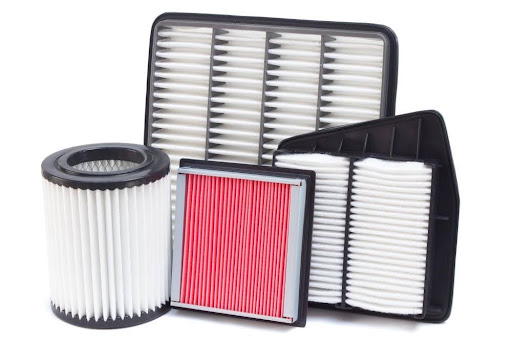
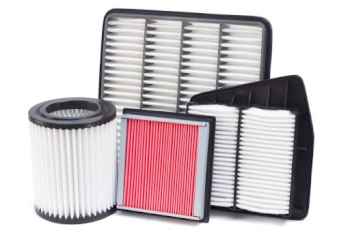
Hidden inside that airflow path is a simple component that tends to get overlooked. A car air filter does the unglamorous work of catching dust, grit, and everything the road throws up day after day. City traffic, roadworks, even short trips on cleaner roads all add up in the background. When it starts to clog, the engine may not feel as sharp as it used to.
A drop in efficiency may show up as an extra stop at the fuel station, then a slight change in how the car responds when overtaking. Nothing obvious at first glance. Neither change proves the air filter is responsible; fuel economy and acceleration can be affected by many conditions.
Restricted airflow can affect engine operation, but the result depends on the vehicle and its controls. A dirty filter does not automatically cause a major loss in fuel economy. In a study of five gasoline vehicles, SAE researchers found that filter condition had an insignificant effect on fuel economy and emissions in the four modern vehicles tested, while clogged filters caused an acceleration penalty across the test vehicles. The study does not describe every vehicle, but it is a reason to avoid diagnosing an air filter by fuel economy alone. Read the SAE study on intake air-filter condition.
You press the accelerator and notice a hesitation that wasn’t there before. Not dramatic, just enough to catch your attention on longer drives. A restricted filter can be one thing to inspect, but hesitation can also come from ignition, fuel, sensor, exhaust, or other issues. If the filter is in good condition or replacing it does not resolve the symptom, the cause needs a proper diagnosis.
Engine load increases too, though that detail tends to stay hidden. You may notice a change in how the car strains on inclines or when carrying passengers. Easy to dismiss until the pattern becomes familiar, but that pattern alone cannot identify the cause.
Open the bonnet and the inspection may be straightforward, but access varies by vehicle. The airbox may be clipped shut, use fasteners, or be harder to reach. Check the owner’s manual before opening it; some vehicles require tools or a specific procedure. Keep the engine off while inspecting the filter, and do not run the engine with the filter removed.
A clean element may look light and even in colour, but appearance alone cannot reliably show how restricted a filter is. Dusty roads can load the filter more quickly. Check for tears, damaged edges or seals, heavy debris packed into the folds, or moisture damage. A filter that is wet, torn, or improperly seated needs attention, but a dark surface by itself does not prove that airflow is restricted.
It is one of those checks that takes longer to describe than to do. A few minutes at most, yet it often answers questions about performance issues that felt more complicated on the road.
Inspection procedures and service indicators differ, so the owner’s manual should guide the check. For example, Ford’s air-filter guidance says visual appearance alone cannot determine the level of clogging and cautions against blowing compressed air through filter paper because it may cause damage. That guidance applies to the vehicles covered by that manual; follow the instructions for your own vehicle. Gauge Magazine’s guide to using car manuals for better maintenance decisions explains why model-specific instructions matter.
This is where things get less forgiving. If the filter structure weakens or tears, unfiltered air may reach the engine. Tiny particles can follow that path too, and they do not disappear harmlessly.
Inside the cylinders, particles that get past a damaged or poorly seated filter can act as abrasive contaminants. Cylinder walls, piston rings, and valve surfaces are among the internal components that depend on clean intake air. The extent of any wear depends on the amount and type of contamination and how long it continues; a filter that looks dirty does not prove that engine damage has occurred.
If significant wear develops, oil consumption may rise. Compression can drop. The engine may start to feel less composed, especially under load. Those problems can have many causes and are not proof of air-filter-related wear. If they appear, the engine needs a proper diagnosis. Keeping the filter intact, correctly seated, and replaced on schedule is the practical step an owner can take.
It is rarely sudden failure. More often, engine wear develops over time and may become expensive if ignored. The filter is a relatively small maintenance item compared with many engine repairs, which is why checking its condition and fit is worthwhile.
Replacement filters are not all built the same. The differences matter more depending on how and where you drive. Paper filters are common for a reason. They are designed for particular applications and suit many everyday vehicles. For most drivers, the right starting point is the replacement specified for their vehicle.
Then there are reusable cotton gauze versions, sometimes marketed for increased airflow. They appeal to those chasing responsiveness, though they come with their own maintenance routine. Cleaning and re-oiling may be part of the process, depending on the product, and skipping those steps can affect how it works. Follow the instructions for the specific filter; not every element can be cleaned and reused.
Driving environment plays a bigger role than branding or claims on the packaging. Dusty or dirty conditions can shorten filter life and call for more frequent inspection, depending on the vehicle. Cleaner urban routes do not create a universal longer interval. Check the maintenance schedule for your year, make, model, and engine, including any severe-service guidance. Ford’s owner information, for example, notes that exposure to dusty and dirty conditions affects filter life; other manufacturers may specify different procedures.
Matching the filter to real conditions tends to work better than following a generic upgrade path. Confirm the replacement fits the exact vehicle and seals correctly in the housing. Do not assume that a filter advertised for higher airflow will improve everyday power or fuel economy.
Air intake health shapes how a vehicle feels long before any warning light appears. Keep the filter serviceable, replace it when the vehicle’s maintenance schedule or the filter’s condition calls for it, and make sure the replacement fits correctly. Nothing complicated about it, just a steady habit that helps protect the intake without asking for much in return.
The post Is Your Car’s Air Filter Due for a Change? appeared first on Gauge Magazine.