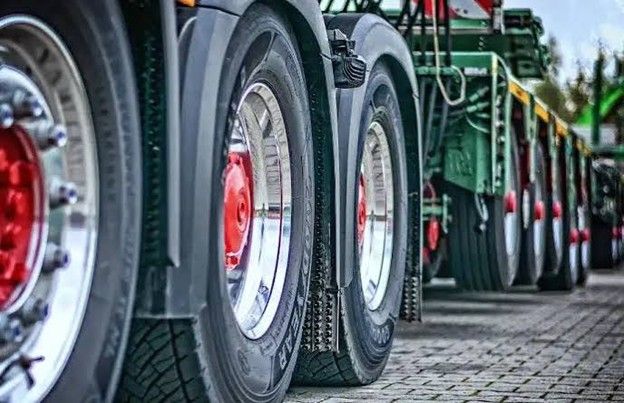
Florida, also known as the Sunshine State, is located in the southeastern part of the U.S. It is renowned for its hot climate, ecosystems, world-class theme parks, extensive coastline, and space launch sites. The hot climate of Florida supports the ecosystem and the wildlife, but it can also contribute to tire blowouts in tractor-trailers.
The extreme heat can raise the pressure and temperature inside the tire. Combined with underinflation, overloading, or worn rubber, this can eventually cause accidents. The blowout can cause sudden loss of control and can endanger the trailing motorists. Hence, moving to a safer place, documenting the scene, and reporting are important after a tractor-trailer tire blowout.
Heat makes the air inside a tire expand, so pressure normally rises as the tire warms during driving. A warm reading may be higher than the tire’s cold-pressure specification. NHTSA’s tire guidance recommends checking pressure when tires are cold and using the vehicle manufacturer’s recommended pressure. NHTSA also notes that sustained high temperatures, such as long-distance driving in hot weather, can deteriorate tires and lead to blowouts or tread separation.
A properly inflated tire is designed to handle a normal increase in pressure as it warms. The risk rises when heat combines with underinflation, overload, or existing damage. In those conditions, the tire can overheat, and tread separation or sudden tire failure can follow.
Moreover, underinflated tires are at greater risk of overheating than normally inflated tires because they flex more as they roll. Overinflation is not recommended either. Follow the vehicle or tire manufacturer’s recommended cold pressure, and do not compare a hot tire reading directly with a cold-pressure specification.
Heat is usually a contributing factor, but poor maintenance, manufacturing defects, improper repair, overload, punctures, road debris, and road conditions may also contribute to blowouts. These issues have to be addressed properly to maintain safety and avoid such incidents happening in the future. Read more about poorly maintained trucks and loading mistakes that can affect a rig.
Florida Statute § 316.610 addresses operating or knowingly permitting an unsafe vehicle or combination of vehicles on a highway. It allows an officer to inspect a vehicle and, depending on the hazard, require immediate repair or removal from use or issue a notice to repair. The official Florida statute describes those requirements.
Liability depends on the facts of each case, and more than one party may share it. The driver or motor carrier may be liable if a lack of proper maintenance or inspection contributed to the accident. The manufacturer may be held liable if there are defects in the tire and the quality of the tire does not meet the standards.
Similarly, the repair shop may be held liable when a negligent repair contributed to the crash. The cargo shippers may be responsible if overloading contributed to the accident.
Under Florida’s comparative fault law (§ 768.81), fault and the ability to recover depend on the facts. In most negligence actions, a person found more than 50 percent at fault for their own harm cannot recover damages, subject to statutory exceptions.
Tractor-trailers must meet federal tire safety rules, which often matter when a blowout is investigated.
Under FMCSA regulation 49 CFR § 393.75, a commercial truck may not be operated on a tire that has body ply or belt material exposed, has tread or sidewall separation, is flat or has an audible air leak, or has a cut that exposes the ply or belt material.
The front tires of a truck tractor must have at least 4/32 inch of tread depth, and all other tires at least 2/32 inch.
FMCSA rules also require motor carriers to systematically inspect, repair, and maintain their vehicles (49 CFR § 396.3). Drivers must be satisfied that the vehicle is in safe operating condition before driving it (§ 396.13).
NHTSA advises checking tire pressure at least once a month and, when the tires are cold, using the manufacturer’s recommended pressure.
A rule violation does not by itself prove who is at fault. However, maintenance records, inspection reports, and the condition of the tire can be important evidence when investigators examine whether negligence occurred.
Evidence is essential to prove the accident and the injuries caused by it.
The following is the crucial evidence required in case of a tractor-trailer tire blowout:
These documents and the recordings can help you identify how the blowout occurred and show whether negligence caused the crash.

After the accident, the incident can be reported to the insurance company promptly. Submit relevant evidence and keep copies of records and communications. The insurer will evaluate the claim, but compensation is not automatic; any payment depends on liability, applicable coverage, and the evidence.
Depending on the facts and applicable law, a claim may include expenses such as lost income, medical treatment, pain and suffering, emotional distress, future medical costs, rehabilitation costs, and property damage.
A truck crash attorney can help determine liability by preserving the evidence, investigating the maintenance records, and consulting the experts. An attorney can also communicate and negotiate with insurance companies about a claim.
The post How Florida’s Heat Can Contribute to Tractor-Trailer Tire Blowout Accidents appeared first on Gauge Magazine.