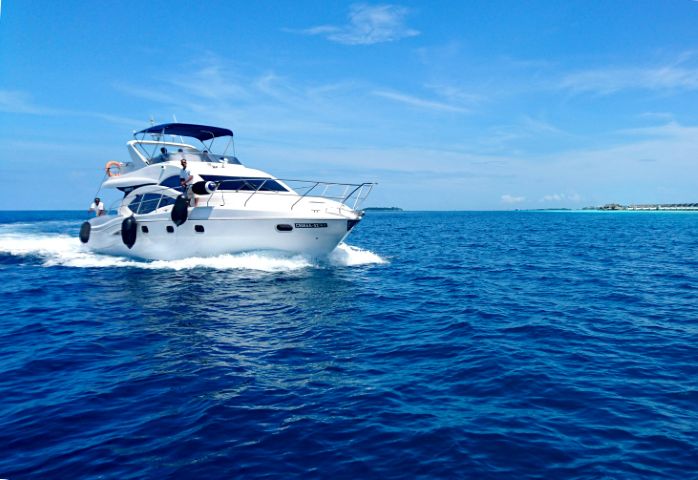
An estimated 85 million Americans go boating each year, according to the National Marine Manufacturers Association. Many bring music along for the ride. Water is a tough environment for sound: wind makes music harder to hear, engines compete with your favorite tracks, and spray, salt, and sun can wear down ordinary speakers.
That’s why ordinary speakers may not be suited to every boat installation. Marine speakers are designed for exposure to water and sun. The broader marine audio market is expected to reach $2.16 billion by 2030, according to The Business Research Company, with speakers among the products in that market.
Which models are worth comparing, and how do you choose the right speakers for your boat? This guide covers several options and the features to check before buying.
Choosing marine speakers comes down to four essentials. Checking each one can help you find a model that suits your boat and installation.
Spray and UV protection: Look for a clearly stated water-resistance rating and protection against ultraviolet (UV) exposure. An IP66 rating means a product is dust-tight and protected against powerful water jets. It does not mean the speaker is submersible, so check the manufacturer’s guidance for your intended use.
Marine-grade materials: Polypropylene cones, Santoprene rubber surrounds, and stainless-steel hardware are examples of materials used in marine audio equipment. Construction varies by model, so check the product specifications for the materials and corrosion protection included.
Sound quality: Clear vocals and balanced highs matter when wind and engine noise compete with music. Bigger woofers can help with low-frequency output, but size alone does not guarantee better sound. Check frequency response and sensitivity as well.
Extra features: Bluetooth connectivity, RGB lighting, and convenient controls can make a setup more enjoyable. They are optional features, but can change the feel of evening cruises.
These five speaker lines vary in size, features, and installation requirements. Compare the specifications for the exact model you’re considering.
MODUS offers marine speakers in several sizes, including 6.5-inch, 7.7-inch, and 8.8-inch models. The manufacturer lists its speakers as marine-grade, with features that vary by model.
Key specifications:
Consider this option if: You want multiple size and grille options. Boaters looking for the best marine speakers should compare the available models’ fit, features, and power handling with their installation needs.
JL Audio’s M6 range is designed for boat owners looking for detailed sound and marine-focused construction. The lineup includes several sizes and grille styles, with RGB lighting on selected models. Specifications vary by speaker size.
Key specifications:
Consider this option if: You want several size and grille choices and are comparing high-fidelity sound with output requirements.
KICKER’s KM series offers several sizes and installation options. Selected models include lighting, while white and charcoal grilles are available on some speakers.
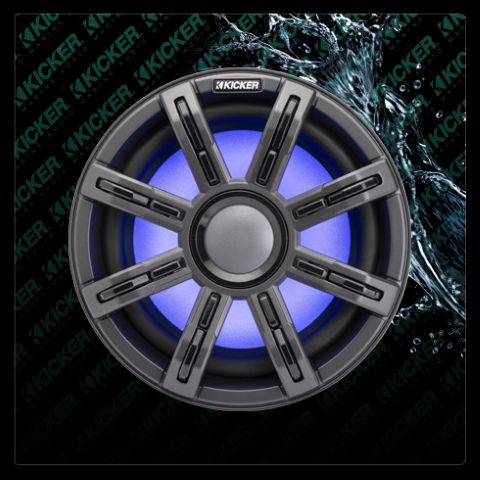
Key specifications:
Consider this option if: You need a particular speaker size or want optional lighting. For a look at KICKER’s vehicle-audio side, see Gauge’s coverage of The Showdown by KICKER and a custom 1994 Ford Bronco audio build.
Rockford Fosgate’s marine speakers are designed for marine and powersports environments. Its M0, M1, and M2 series have different configurations and features, including Color Optix lighting on compatible models. Exact specifications vary by model; check the specifications for the exact speaker before selecting an amplifier or planning an installation.
Key specifications:
Consider this option if: You want to compare models with different power, lighting, and mounting options for an open-air installation.
Sony’s XS-MP1611 is a 6.5-inch dual-cone marine speaker. Sony lists 40W power handling and an IPX5 marine rating for the model.
Key specifications:
Consider this option if: You want a basic 6.5-inch marine speaker and the model’s power handling and protection rating suit your setup.
| Brand | Standout features | Consider it for |
|---|---|---|
| MODUS | IP66 rating, RGB lighting, swappable twist-lock grilles | Multiple size and grille choices |
| JL Audio | Silk-dome tweeters, long-excursion woofers, model-specific amplifier ranges | High-fidelity setups with different size and power options |
| KICKER KM | IP66 on the KM65, white and charcoal grille options, optional LED models | Installations where size and lighting options matter |
| Rockford Fosgate | M-series configurations and Color Optix on compatible models | Installations needing model-specific power and lighting choices |
| Sony | 6.5-inch dual-cone design and IPX5 rating | A basic marine speaker replacement |
No. Marine speakers are generally water-resistant to their stated rating, not necessarily waterproof or submersible. Check the IP rating and the manufacturer’s installation guidance for the exposure your boat will encounter.
Measure the existing cutout and available mounting depth before choosing. A 6.5-inch speaker is common, but fitment varies by boat and installation. Check the dimensions for the exact model.
Not always. A marine stereo may be enough for a basic setup. If you want more output or cleaner sound at higher volume, compare the speaker’s impedance and recommended amplifier range with your system before adding an amp.
There is no single choice for every boat. Compare speaker size, mounting depth, power handling, water-resistance rating, and the features you will use. Match those details to your boat and audio system, then check the specifications for the exact model before buying.
The post Best Marine Speakers: Top 5 Picks for Clear Sound on the Water appeared first on Gauge Magazine.