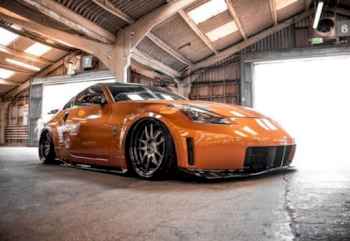
Capturing a vehicle’s exterior is just one aspect of custom automobile photography. Photographs of custom builds should highlight the artistry, character, and unique touches that set them apart. Whether it’s a vintage hot rod or a fully customized truck, the setting determines how much of an impact the vehicle has.
The latest developments in AI background creation have opened new possibilities for automobile photographers to experiment with composition while still highlighting the car.
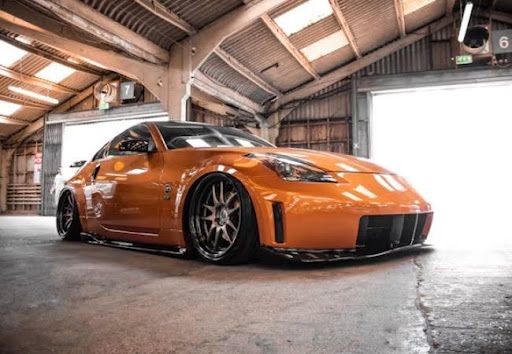
A car photo’s overall aesthetic is heavily influenced by its location. Wheels, paint jobs, and customizations might be overshadowed by a busy parking lot, distracting signage, or unrelated automobiles.
A more concentrated composition may be achieved by selecting an appropriate background. Gauge’s car photoshoot preparation guide covers the vehicle-preparation side of getting a clean image.
Automotive enthusiasts appreciate the details that distinguish one custom build from another. A well-composed photograph can highlight details such as a lowered suspension, aftermarket wheels, a personalized grille, and distinctive bodywork.
A vintage muscle automobile shot against a clean studio background conveys a different message than the same shot against an industrial structure.
Photographers need to consider how the setting highlights the vehicle’s features without masking them.
Good lighting, an appropriate setting, and easy access to the car are the three pillars of conventional automobile photography. Nevertheless, it isn’t always feasible to choose a suitable location.
An alternative to manually editing existing photos to create conceptual automobile imagery is AI backdrop creation.
Photographers experimenting with a free ai background generator can try various backgrounds, such as studios and outdoor vistas, while keeping the car as the focal point.
The chosen setting should complement the vehicle’s size, color, and desired presentation.
A restored vintage truck may look great next to a country roadside, while a modern performance car looks more at home against a skyscraper.
An urban environment can reflect the vehicle’s cultural and design inspirations for custom lowriders.
Instead of adding visual clutter, pick a backdrop that complements the vehicle’s personality.
Because exact dimensions and reflections are essential to realistic automotive photos, you need to evaluate AI-generated backdrops meticulously.
An aesthetically pleasing result may not always reflect the original build.
Custom paint treatments are especially sensitive to lighting and variations in color saturation.
To keep paint colors, wheel designs, body lines, and suspension features consistent, photographers should compare altered photos with the original shot.
For example, a lowered truck’s ride height might look different than it actually is if an inaccurately created shadow is cast beneath it.
Similarly, chrome trim or polished wheels could look distorted because reflections fall in the wrong places.
As far as the eye can tell, the lighting conditions on the road and in the backdrop should match.
It could be misleading to picture an automobile in direct midday sunshine against a backdrop that suggests a cloudy morning.
Note the horizon’s location, the shadows’ direction, and the vehicle’s traction.
These details keep the car from looking out of place.
AI backdrops are great for advertising, portfolios, and even experimental car artwork.
On the other hand, documentary photography serves a different purpose.
Photographers document the real cars, venues, and events during custom car exhibitions, as in Gauge Magazine’s Cavalcade of Customs 2026 coverage. Changing the backdrop of an event without mentioning it might give the wrong idea of where a car was shot.
The original photographs should be used as the principal visual documentation when showcasing a custom build in an event report.
Images that have been altered by artificial intelligence are more accurately recognized as creative composites, particularly in cases when the artificially created setting may be mistaken for a real one.
The Associated Press’s visual standards distinguish news photographs from photo-based graphics and say graphics must not misrepresent facts or look like photographs. That distinction safeguards the accuracy of automotive journalism while allowing creative freedom.
With the advent of AI background creation, custom car photography has never been more open to the imagination. Photographers can create unique car photos by choosing the right settings, paying attention to detail, and checking for visual accuracy. Used appropriately, these techniques enhance conventional photography while preserving the integrity of real-life builds and car show coverage.
The post How AI Backgrounds Are Changing Custom Car Photography appeared first on Gauge Magazine.