After two years of the most anti-climate presidential administration in U.S. history, Tuesday’s election results have many climate advocates feeling a sense of hope. Even though explicit mention of climate change was far from the heart of midterm discussions, Democrats have a history of taking big swings to cut emissions.
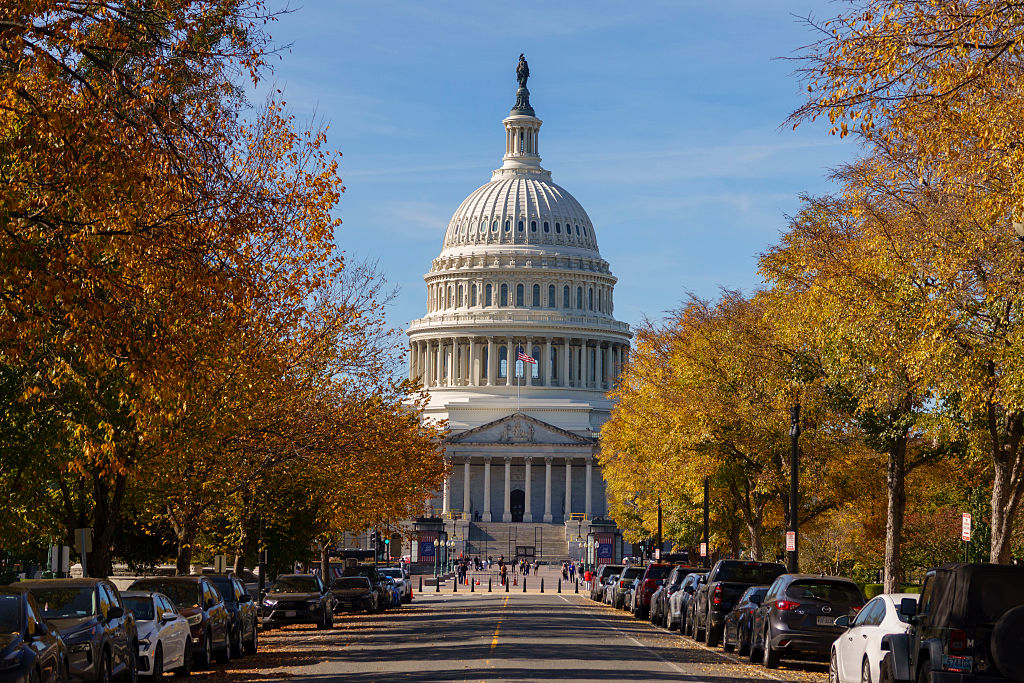
But even with Democrats on the rise, don’t expect a return to the old climate order where the Green New Deal dominated Capitol Hill chatter, and the big-spending Inflation Reduction Act served as a watered down compromise. Over the next two years, elected officials in Washington will forge the next wave of climate policy, and there’s a good chance it may look pretty different from what we’ve seen in recent history.
The biggest indicator of what this might look like may just be a quick survey of how the new crop of Democratic senators have talked about climate and energy issues. James Talarico, Texas’s Democratic senator-elect, has promised to protect oil-and-gas jobs as part of an all-of-the-above energy strategy. Kansas Democratic Senator-elect Adam Hamilton has also called for “all-of-the above-energy production” as part of an energy affordability strategy. And South Carolina Senator-elect Annie Andrews has called for a suspension of the federal gas tax. All three, along with virtually every newly elected Democrat, have also put a spotlight on the role data centers are playing in the power system, calling on big tech firms to pay more for the costs they incur.
Green New Dealers calling for a rapid end to fossil fuels this batch is not. But that doesn’t mean that there is no prospect of climate policy. In fact, a slew of factors mean that energy and climate policy will be on the agenda—even if it’s not labeled as such. The energy affordability crisis, the war in Iran, the rise of power-guzzling data centers, and competition from China all mean that climate will be top priorities for the coming national political dialogue.
It’s also possible that having a crop of Democrats from red states could prove productive for climate policy that stands the test of time. Measures that need to account for the political economy of states like Texas and Kansas as well as California and New York are less likely to be reversed with the next political swing. This has a number of practical implications for the future of a range of industries, especially the power and oil-and-gas sectors.
It goes without saying that Democrats won’t be in a position to enact big policy measures unless and until a Democrat takes the White House in 2029. But the new makeup of the Democratic congressional delegation is likely to shape policy discussions already underway at think tanks and in working groups. Exactly in what direction remains to be seen.