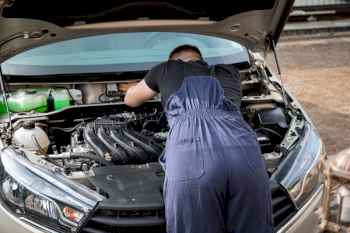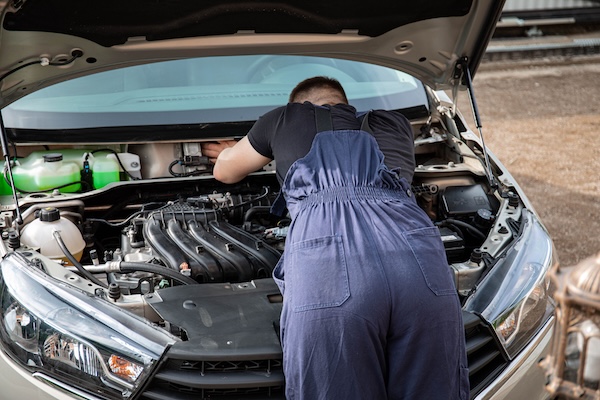
Every driver eventually faces the uncomfortable workshop conversation. The quote for the next repair lands somewhere north of what the car feels like it is worth, and the honest question surfaces: is this one worth fixing, or is it time to let it go? It is one of the more emotionally loaded decisions in car ownership, because sentiment and sunk cost pull hard against the arithmetic. Here is a clear-eyed way to work through the repair-or-replace call and what to do if the numbers say sell.
The core of the decision is a simple comparison, though people rarely frame it cleanly. On one side is the cost of the repair plus the likely cost of keeping the car running for another year or two. On the other is the car’s current market value and the cost of replacing it. A common rule of thumb is that when a single repair approaches or exceeds roughly half the car’s value, it is at least worth pausing to weigh replacement seriously. When the repair exceeds the car’s value outright, the maths is usually shouting at you.
But a single quote is not the whole picture. The better question is cost per reliable kilometre going forward. A car worth modest money that needs an expensive fix might still be the cheaper option if it will then run trouble-free for years, because any replacement carries its own costs: the price difference, transfer duty, and the risk of inheriting someone else’s problems. The decision turns on reliability as much as on this one invoice. One large, one-off repair on an otherwise sound car is very different from another expensive fault on a car that has been bleeding money for a year.
A few patterns suggest a car has crossed from “worth maintaining” to “worth moving on”. The clearest is a cluster of failures rather than a single fault: when the transmission, the air conditioning and the suspension all start demanding attention in the same stretch, you are no longer dealing with one repair but with a car reaching the end of its reliable life. Repairs that recur, where the same system fails again months after being fixed, are another red flag, because they rarely stop at one.
Safety-critical and structural problems weigh more heavily than cosmetic or convenience ones. Significant rust in structural areas, a cracked engine block or major chassis damage can be effectively terminal, because the cost to do them properly dwarfs the car’s value and anything less is unsafe. Rising frequency is the signal to watch: when the car spends more time in the workshop than it used to, and each visit uncovers the next looming job, the trend matters more than any single quote. At that point, continuing to pour money in is usually throwing good money after bad.
Here is the part that surprises people: even a car you have decided not to fix usually has real value, and often more than the “it is basically scrap” assumption suggests. A mechanically tired but complete car carries worth in its usable parts, its panels and its materials, and there is a steady market of buyers, dismantlers and dealers who price exactly these vehicles. A car that does not run is not automatically worth nothing.
The value depends on the make and model’s parts demand, the car’s completeness and condition, and whether it has current registration. A popular model with sought-after parts can be worth a meaningful sum even as a non-runner, because those components have a ready second life. The mistake is to assume the only options are an expensive repair or giving the car away. Before you accept either, find out what the car is genuinely worth in its current state. Many sellers discover the car is worth considerably more than the repair they were about to decline, which reframes the whole decision.
Once you have decided to let the car go, the goal is to realise its remaining value with the least hassle, and the condition of the car shapes the best channel. A private sale of a car with known faults is possible but awkward: you must disclose the problems, buyers are wary, and it can sit unsold for a long time. A dealer trade-in may not want a car that needs significant work, or will value it very low. The most practical route for a tired or non-running car is usually a buyer who specifically deals in cars of any condition.
The better operators of this kind buy any make, model or condition, including non-runners and cars with finance still owing, come to you, handle the paperwork, and pay on the spot. These services exist in most markets. In Australia, for example, a licensed dealer such as www.sellmycarpro.com.au will value a car in any condition and collect it, which spares the owner the trouble of advertising a problem car or arranging to move something that may not drive. When the repair quote lands and you decide to sell my car rather than fix it, knowing there is a straightforward, any-condition buyer available turns a stressful dead end into a clean exit, often with more cash than the scrap assumption would have given you.
The danger with a car you have decided not to repair is assuming it is worthless and accepting the first token offer, when a little diligence often reveals real value. Start by finding out what the car is actually worth in its current state, faults and all, rather than guessing. Get more than one quote from buyers who deal in cars of any condition, because figures for a non-running or faulty car vary widely, and a single offer tells you nothing about whether it is fair.
It helps to understand where the value sits. A complete car carries worth in its usable parts, its panels and its materials, and a popular model with sought-after components can be worth a meaningful sum even as a non-runner, because those parts have a ready second life. Current registration, completeness and the model’s parts demand all push the figure up. Armed with a couple of quotes and a rough sense of the car’s parts value, you can tell a fair offer from a lowball.
Reputable any-condition buyers make this straightforward. A licensed operator such as Sell My Car Pro will assess a car in any state, including one that does not run, collect it, handle the paperwork and pay on the spot, which spares you the trouble of advertising a problem car or moving something that may not drive. The aim is not to squeeze a fortune from a tired car, but to capture the genuine value it still holds rather than giving it away on the false assumption that it is only fit for scrap.
These are the questions owners ask most when a repair bill forces the repair-or-replace decision.
A useful rule of thumb is when a single repair approaches or exceeds about half the car’s value, it is worth seriously weighing replacement, and when it exceeds the car’s value outright the maths usually favours moving on. But judge reliability too: one large, one-off fix on an otherwise sound car can still be cheaper than replacing it, whereas another repair on a car that keeps failing rarely is.
Usually yes, often more than people assume. A complete car has value in its usable parts, panels and materials, and there is a steady market of buyers and dealers who price non-running vehicles. The figure depends on the model’s parts demand, the car’s completeness and whether it is registered. It is worth getting a valuation before assuming the car is only good for scrap.
The easiest route is a buyer that deals in cars of any condition, since a private sale of a faulty car is slow and a dealer trade-in may not want it. Any-condition buyers and instant car-buying services will value the car as it is, collect it, handle the paperwork and pay on the spot, which removes the hassle of advertising or moving a problem vehicle.
The repair-or-replace decision is really a numbers question wearing an emotional disguise. Compare the repair plus future running costs against the car’s value and the real cost of replacing it, watch for the clustering failures that signal a car at the end of its life, and resist throwing good money after bad. Crucially, find out what the car is actually worth before you accept an expensive quote or assume it is scrap, because even a tired car usually has value, and realising it cleanly beats fixing a car that is telling you it is done.