Taking care of your own car can be incredibly rewarding, especially when you realize how many maintenance jobs you can handle without visiting a mechanic. However, even straightforward repairs can become frustrating when you’re missing the right equipment. Whether you’re changing your oil, replacing worn components, or investigating an unusual noise, a well-stocked toolkit makes everything easier. You don’t need to spend a fortune to get started, however. A few reliable essentials can make a big difference.
A Reliable Socket and Wrench Set
A quality socket and wrench set should be at the top of your shopping list. You’ll use these tools for countless jobs, from removing engine covers to replacing batteries and tightening bolts. Pick a set with metric and SAE sizes, along with ratchets, extensions, and deep sockets. Spending a little more on durable tools is worthwhile, as cheaper alternatives can break or damage stubborn fasteners.
A Floor Jack and Jack Stands
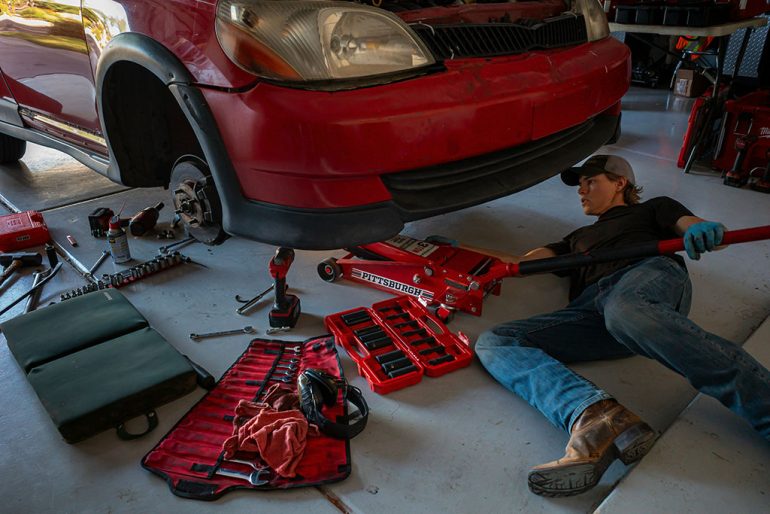
If you’re planning to work underneath your car, proper lifting equipment is a must. A hydraulic floor jack makes raising your vehicle easier, while correctly rated jack stands provide the support needed to work safely. Always use the manufacturer’s recommended lifting points and work on firm, level ground. Never get underneath a vehicle supported by a jack alone, and consider keeping wheel chocks nearby for additional security.
Protective Clothing and Safety Gear
Working on cars involves plenty of hazards, including sharp edges, hot components, and heavy objects. Safety glasses and suitable mechanic’s gloves are worthwhile investments, helping protect against common injuries. Your footwear deserves attention, too. Investing in comfortable safety toe boots can help protect your feet from dropped tools and heavy components, while slip-resistant soles provide additional grip on potentially slippery garage floors.
An OBD-II Scanner
Modern vehicles rely heavily on electronics, making an OBD-II scanner particularly useful for diagnosing problems. These devices connect to your car’s diagnostic port and retrieve trouble codes that can help explain why a warning light has appeared. Although they won’t identify every problem, scanners provide a useful starting point for investigating faults before purchasing replacement parts.
A Torque Wrench
Some vehicle components require bolts to be tightened to precise specifications, particularly wheel lug nuts and certain engine parts. A torque wrench allows you to apply the correct amount of force, helping prevent damage caused by overtightening or leaving components too loose. Always look at your vehicle’s service information for the appropriate torque settings.
A Good Work Light
Poor lighting can make even simple repairs unnecessarily difficult. A rechargeable LED work light helps illuminate awkward spaces, while magnetic models can attach to suitable metal surfaces, leaving your hands free. A headlamp is another handy addition, particularly when you’re working underneath your car.
Build Your Toolkit Gradually
You don’t need every specialist tool immediately. Start with equipment you’ll use regularly and expand your collection as your confidence grows. By prioritizing quality, safety, and practicality, you’ll make DIY maintenance more manageable and enjoy the satisfaction of completing repairs yourself.