Source: Pexels
Driving in Detroit means dealing with more than everyday traffic. Freezing winters, pothole-damaged roads, road salt, and changing temperatures can gradually affect your vehicle’s performance. A car that runs smoothly in summer may develop battery problems, suspension issues, or tire damage when winter arrives.
Unfortunately, many drivers overlook early warning signs until a minor problem becomes an expensive repair. Understanding which maintenance tasks deserve attention can help you avoid unexpected breakdowns, extend your vehicle’s lifespan, and keep your daily commute safer.
Your vehicle’s maintenance needs depend on more than its age or mileage. Frequent short trips, stop-and-go traffic, extreme temperatures, and rough roads can place additional strain on important components.
Detroit drivers should pay particular attention to seasonal changes. Cold weather affects batteries and tire pressure, while potholes can damage wheels, suspension parts, and steering components.
Following your manufacturer’s maintenance schedule provides a useful starting point. However, unusual noises, changes in handling, or dashboard warnings may require attention between scheduled services.
Working with a reliable mechanic also makes preventive maintenance easier. Drivers seeking family-owned auto repair in Metro Detroit can benefit from a service relationship where technicians become familiar with their vehicle’s history and recurring maintenance needs.
Keep records of inspections, repairs, and replacement parts. These details help identify developing problems and prevent unnecessary repeat work.
A consistent maintenance routine is generally more manageable than waiting for several problems to appear simultaneously.
Engine problems rarely begin with complete mechanical failure. More often, drivers notice subtle changes that gradually become harder to ignore.
Your vehicle might hesitate during acceleration, idle roughly, consume more fuel than usual, or struggle to start.
These symptoms can have several causes, including worn spark plugs, ignition problems, clogged filters, or issues involving fuel delivery.
Ignoring them may allow a relatively minor fault to affect other engine components.
Pay attention to dashboard warning lights, particularly the check engine light. A flashing warning may indicate a serious misfire requiring immediate attention.
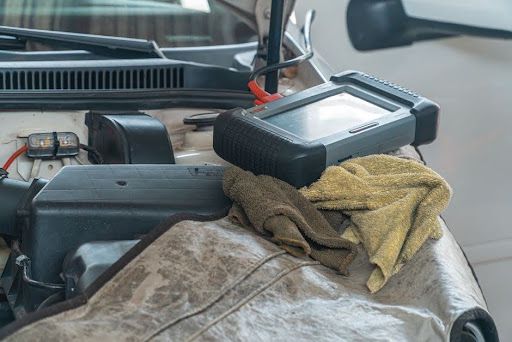
Avoid replacing parts based solely on assumptions. Modern vehicles use electronic systems that require appropriate diagnostic equipment to identify underlying faults.
Early diagnosis can prevent unnecessary repairs and help maintain reliable engine performance.
Tires are among the most important safety components on your vehicle because they directly influence braking, steering, and road grip.
Unfortunately, damaged pavement, potholes, and changing temperatures can shorten their useful lifespan.
Check tire pressure regularly using the manufacturer’s recommended specifications, usually found on the driver’s door jamb.
Underinflated tires may wear unevenly, increase rolling resistance, and generate excessive heat. Overinflation can also affect handling and tire wear.
Inspect the tread for unusual patterns, embedded objects, sidewall damage, and visible cracks.
If your vehicle pulls toward one side or the steering wheel vibrates, wheel alignment or balancing may need attention.
Rotating tires according to the manufacturer’s recommendations can encourage more even wear.
Proper tire maintenance improves driving stability and helps you recognize problems before they compromise safety.
Braking performance should never be treated as an optional maintenance concern.
Brake pads, rotors, calipers, and hydraulic components experience wear through regular use. Their condition can deteriorate more quickly when problems go unnoticed.
Squealing noises may indicate worn brake pads, while grinding sounds can suggest more serious contact between braking components.
You might also notice vibration while braking, a soft brake pedal, or increased stopping distances.
These symptoms deserve prompt professional inspection rather than continued driving to see whether they disappear.
Brake fluid condition matters as well. Moisture contamination and neglected hydraulic maintenance can affect braking system reliability.
Follow your manufacturer’s recommendations for inspections and fluid replacement.
If braking performance suddenly deteriorates, stop driving when safe and arrange appropriate assistance.
Addressing brake problems early helps protect both your vehicle and other road users.
Cold weather can expose weaknesses in an aging car battery.
A battery that starts your engine without difficulty during warmer months may struggle when temperatures fall because cold conditions reduce available starting power.
Common warning signs include slow engine cranking, dim headlights during startup, and intermittent electrical problems.
Inspect battery terminals for corrosion and ensure connections remain secure.
If your battery is several years old, consider having its condition tested before winter.
However, starting problems are not always caused by the battery itself. Alternator faults, damaged wiring, or excessive electrical drain can produce similar symptoms.
Professional testing helps distinguish these issues.
Avoid repeatedly attempting to start a vehicle when the engine struggles to turn over.
Keeping the electrical system in good condition reduces the likelihood of being stranded during freezing weather.
Your vehicle relies on several fluids to lubricate components, control temperatures, and support mechanical systems.
Engine oil is especially important because it reduces friction and helps protect moving engine parts.
Check oil levels as recommended and follow the manufacturer’s guidance for oil type and replacement intervals.
Coolant also deserves attention throughout the year. It helps regulate engine temperature during summer and protects against freezing in winter.
Low coolant levels may indicate a leak requiring investigation.
Transmission fluid, brake fluid, and power steering fluid, where applicable, also need appropriate maintenance.
Never open a hot cooling system because pressurized coolant can cause serious burns.
Fluid discoloration, unusual odors, or unexplained drops in level should prompt further inspection.
Regular fluid checks are simple preventive measures that can help avoid costly mechanical damage.
A severe pothole impact can damage more than your tires.
Suspension components absorb road irregularities and help maintain stable contact between your wheels and the pavement.
When shocks, struts, control arms, or related components become worn or damaged, vehicle handling may change.
You might notice excessive bouncing, unusual knocking sounds, uneven tire wear, or difficulty maintaining a straight path.
These symptoms can develop gradually, making them easy to dismiss as normal vehicle aging.
However, suspension problems may affect steering response, braking stability, and tire performance.
After a significant road impact, inspect your tires and wheels for visible damage.
If the vehicle begins pulling, vibrating, or handling differently, arrange a professional inspection.
Addressing suspension damage promptly can help prevent additional wear on connected components.
Keeping a vehicle reliable requires more than responding to warning lights.
A practical maintenance plan should account for mileage, vehicle age, driving conditions, and previous repairs.
Review your owner’s manual and create reminders for oil changes, tire rotations, brake inspections, and other recommended services.
Before winter, prioritize battery condition, tires, heating performance, and cooling system protection.
During warmer months, pay attention to air conditioning, engine cooling, and signs of fluid leakage.
Keep repair invoices and inspection records together so you can track what has already been completed.
If a mechanic identifies several concerns, ask which repairs are safety-critical, which should be scheduled soon, and which can be monitored.
This approach helps you prioritize necessary work without overlooking important problems.
For Detroit drivers, regular maintenance is particularly valuable because changing weather and demanding road conditions can accelerate vehicle wear.
A dependable car is rarely the result of luck. It comes from recognizing early warning signs, maintaining essential systems, and addressing problems before they develop into major repairs.
The post The Car Maintenance Mistakes That Turn Small Problems Into Expensive Repairs appeared first on Gauge Magazine.