
Custom work on a Seattle-area car or truck, whether from upgraded suspension components to a specialized paint job and aftermarket parts, can be wiped out in a heartbeat in a crash. Insurance companies typically base payouts on your vehicle’s pre-collision value.
However, that value may not reflect what it cost to repair or replace your customizations. Know what evidence will help prove the value of your customized car or truck, and what steps you can take after a collision to maximize your insurance claim payout.
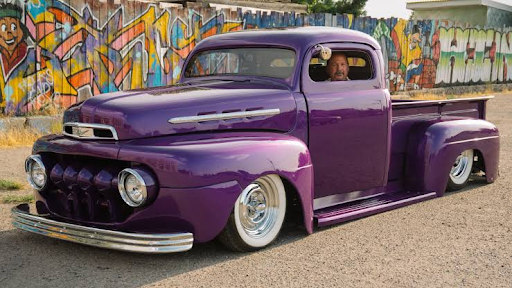
Photos of your customized car or truck (taken before the accident), receipts for parts and labor, invoices from repair shops, and appraisals can help prove what your vehicle was worth before a collision and what custom work was done to your truck or car.
It’s a good idea to separate documentation into files by system (engine, suspension, interior, etc.) so you can show how your car or truck differed from a stock vehicle. Still, keep these files easy to access together so you can share them if the insurer asks for details about the equipment and condition. Having backups ready helps when you need to show the condition of custom parts right after the crash.
Some insurance policies offer an optional endorsement or rider called custom parts and equipment coverage that pays to repair or replace items added to your car or truck that weren’t part of the original factory configuration. Collision and liability insurance may not cover all vehicle customizations.
Look for the phrase “custom parts and equipment” coverage (or similar wording) on the declarations page of your auto insurance policy or in endorsements to see if you have this type of coverage.
Your insurance policy may limit how much the company will pay to repair or replace custom parts and equipment on your car or truck. Some insurance policies require you to tell the company about certain modifications you make to your vehicle.
Other policies may not cover some custom work at all. Custom parts and equipment coverage may also have its own deductible, separate from other types of auto insurance coverage you carry.
If you’re unsure which language in your policy applies to your situation, ask your insurance company to point out what applies to your customized car or truck and save a copy of that information. Keep any written confirmation from the insurer with the build file so the coverage discussion stays tied to the actual policy language.
The amount an insurance company will pay for a totaled customized truck or car may differ from the amount listed in a guide that reports what vehicles are generally worth. The company may take into account factors such as:
Ask the insurance company to explain how it determined the value of your customized car or truck.
Have documentation of your vehicle’s custom features. These may include:
This helps if the insurance company disputes the value you’re claiming for your customized car or truck.
Information about comparable sales of customized vehicles similar to yours (condition, level of customization, etc.) may also help support the value you believe your customized car or truck was worth before a collision. Share any recent listings or appraisal notes that describe similar modifications and conditions.
If it’s safe to do so, take pictures of all vehicles involved in the collision, as well as the surrounding area and road conditions. Get contact information from any witnesses and jot down the date, time, place, and weather conditions at the time of the crash.
Don’t speculate about factors you’re not sure about or don’t have evidence to back up. Stick to what you saw and what you can document.
Snap photos of all damage to your customized car or truck, including up-close shots of broken or damaged custom parts as well as photos showing the parts in relation to the rest of your vehicle. Keep records of any towing or temporary repairs after a collision so you can seek reimbursement for those expenses.
Keep any communications from the insurance company, along with damage evaluations, repair estimates, and other documents. They may provide valuable information regarding the damage and the actions taken following the accident.
If another driver collides with your customized car or truck in Washington and no police officer files a report about the collision, you’re required by RCW 46.52.030 to file a written police report within four days of the collision if:
Submit the report to the Seattle Police Department if the collision took place in Seattle or to the county sheriff’s office or Washington State Patrol if it occurred outside an incorporated city. The report should describe:
The more accurate you can make this report, the better. If fault for the collision is later found to be shared, the amount you can recover for damages may be affected.
Under RCW 4.22.005, if more than one person shares fault for a collision, the amount you can recover to compensate you for your losses will be reduced by your percentage of fault. A court or jury determines each person’s percentage of fault based on the character of that person’s actions in causing the collision and how directly those actions led to the other person’s injuries and property damage.
Even if you’re found to have caused most of the fault for a collision, you can still seek compensation for your losses under Washington law. If the driver who collided with you, or that person’s insurance company, argues that your vehicle’s customized features played a role in causing the collision, make sure you have documentation and photos to show the opposite.
Photographs, maintenance records, and inspection findings can help show whether that claim has support, which matters before the three-year claim window closes.
In Washington, you typically have three years from the date of a collision to file a lawsuit against another driver to recover damages for injury to your personal property, including your customized truck or car. A similar three-year deadline generally applies if you want to seek compensation for personal injuries sustained in the collision. (RCW 4.16.080)
When questions about vehicle value, fault, or coverage remain open, reviewing your options early can help keep the claim on track.
Questions about:
These issues can arise after an accident. A Seattle car accident lawyer may be able to help with tracking deadlines (such as the three-year statute of limitations), collecting evidence, and dealing with insurance companies so you can focus on getting your vehicle repaired and, if you were injured, on getting better.
Insurance policies often have provisions specifically addressing coverage for customized equipment, and questions about valuation and apportionment of fault can arise while you’re still dealing with repairs and medical treatment. Speaking with an attorney about your policy and the facts of your case may help identify potential issues down the road before evidence is harder to track down.
If an insurance company questions the value of your customized truck or car or disputes fault for an accident, don’t wait until the three-year statute of limitations is about to run to take action. Acting while your evidence is still relatively easy to obtain can help bridge the gap between the vehicle you built and the settlement you’re offered.
This article provides general information only and is not legal advice. All legal claims depend on their own facts, circumstances, and policies and may be subject to different laws.
The post What Custom Truck and Car Owners Should Know About Insurance Claims After a Crash appeared first on Gauge Magazine.