
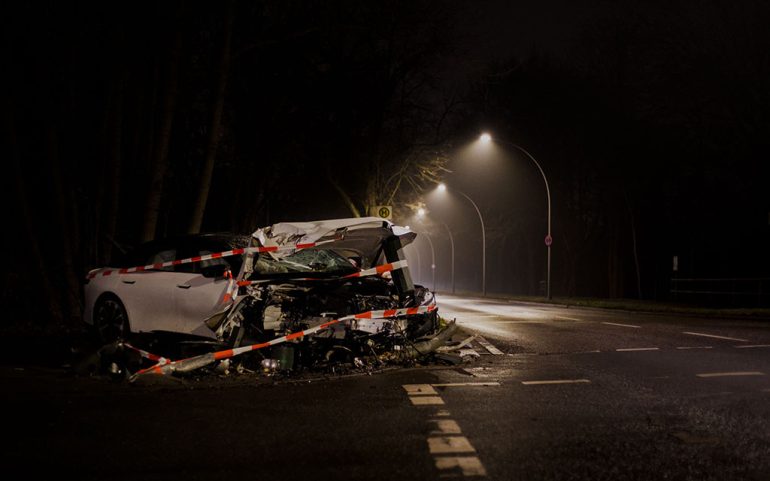
A car accident can turn an ordinary drive into a stressful mix of medical, financial, and practical decisions. In Indianapolis, busy roads and construction can complicate an already difficult situation. Knowing what to do in the first hours can help protect your safety, preserve useful information, and make the next steps easier to manage.
Start by checking yourself and others for injuries. If anyone may be seriously hurt, call 911 and follow the dispatcher’s instructions. Do not move an injured person unless there is immediate danger. Turn on your hazard lights and, if the vehicles can be moved safely and the crash does not involve an injury or another reason to leave them in place, move them out of an active traffic lane.
Avoid arguments about fault; focus on preventing another crash. Keep your phone charged and share your location with someone you trust today. If a vehicle is blocking traffic and no one is injured, move it only when it is safe and lawful to do so. Keep your seat belt on until you are clear of danger, and stay well away from moving traffic while waiting for emergency responders. Shock can make pain difficult to recognize immediately.
Some collisions involve little more than vehicle repairs and an insurance claim. Others involve serious injuries, multiple vehicles, disputed responsibility, uninsured drivers, or pressure to settle before the full impact is known. In those circumstances, speaking with an Indianapolis PI attorney may help you understand the claims process, possible damages, and the decisions ahead.
Indiana law requires drivers involved in a crash to stop, remain at the scene, and exchange identifying and vehicle information. When someone is injured or killed, drivers must provide reasonable assistance and promptly notify law enforcement or 911. If an unattended vehicle or other property is damaged, make reasonable efforts to find and notify the owner; if that is not possible, contact law enforcement.
Call police when the situation requires emergency assistance, someone is injured, or the damage appears significant. Indiana law requires law enforcement to investigate crashes involving injury or death, or apparent property damage of at least $2,500.
If it is safe, use your phone to photograph the vehicles, license plates, damage, road layout, traffic signs, signals, debris, and visible injuries. Note the time, location, weather, and any unusual road conditions.
Exchange names, contact details, driver’s license information, registration details, and insurance information with the other driver. Ask witnesses for their names and contact information before they leave.
Notify your own insurance company promptly and provide accurate basic information. Keep your description factual. Do not speculate, accept blame, or minimize an injury before you understand what happened and how you are feeling.
The other driver’s insurer may contact you for information or a recorded statement. You can ask who is calling, what information is being requested, and whether you can respond later after reviewing the circumstances. Do not sign documents or accept a settlement without understanding what it covers, particularly if injuries or future treatment are still uncertain.
Seek medical attention promptly if you are injured, feel unwell, or may have struck your head. Call 911 for severe symptoms or an emergency. Headaches, dizziness, neck or back pain, and confusion should not be dismissed simply because they did not appear at the scene.
The Centers for Disease Control and Prevention notes that concussion symptoms can appear hours or days after an injury. Its guidance on mild traumatic brain injury symptoms explains what to watch for and identifies warning signs that require immediate medical care.
Follow medical advice and keep appointment records, instructions, prescriptions, and receipts.
The practical consequences of a crash can continue long after the vehicles leave the scene. Keep towing invoices, rental-car agreements, repair estimates, medical bills, prescription costs, and records of time missed from work. Photograph vehicle damage before repairs begin and ask the repair shop to explain any additional damage discovered during the process.
Modern vehicles may need sensor checks or camera calibration after certain impacts, even when the visible damage appears limited. Ask the repair professional whether those procedures apply to your vehicle.
Note how an injury affects work, sleep, and daily activities.
Indiana follows a modified comparative fault system in many fault-based injury cases. A person’s share of responsibility can affect whether and how much they may recover. You can review the state’s comparative fault provisions for further context.
Create a digital or paper folder for photographs, contact details, the police report, insurance correspondence, medical records, and repair documents. Add dates to notes about calls, appointments, expenses, and claim updates.
A car accident can create weeks or months of follow-up. An organized record helps you answer questions accurately, notice missing documents, and keep track of deadlines. Focus first on safety and medical care, then handle reporting, documentation, and insurance matters one step at a time.
The goal is not to control every outcome. It is to make careful decisions, preserve the information that may matter later, and give yourself room to recover.