
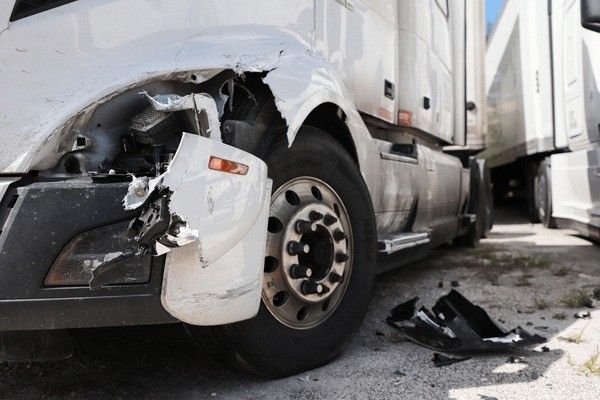
The responsibility for preserving a truck’s damaged mechanical parts generally belongs to the person or organization that owns, possesses, or controls the vehicle and its components. In many commercial truck accidents, the trucking company has the primary responsibility because it controls the vehicle, arranges repairs, and manages maintenance records.
However, the truck owner, maintenance provider, repair facility, or insurer may also have preservation obligations depending on who holds the evidence and when they learn that it may be needed for a legal claim.
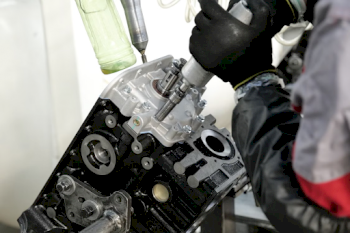
Determining who controls the damaged components is important because those parts may reveal whether brake failure, tire damage, steering problems, or another mechanical issue contributed to the collision. When truck accident claims are anticipated, responsible parties should take reasonable steps to prevent relevant evidence from being altered or destroyed.
Often, yes. A trucking company usually controls the vehicle’s inspection, repair, and maintenance. Once it knows litigation may follow a serious accident, it should take steps to protect evidence.
Its responsibilities may include:
Before repairs, the company should photograph the undercarriage, wheel assemblies, brakes, steering components, and damaged areas. Records should identify removed parts, who handled them, and where they were stored.
Yes. Responsibility may extend beyond the trucking company.
A repair shop may remove a damaged tire, brake assembly, or steering linkage. Before disposal, it should consider whether the parts relate to an anticipated claim or are covered by a preservation request. Responsibility depends on ownership, possession, control, knowledge of the claim, and applicable law.
Destroying or altering damaged components can make it harder to determine whether a mechanical failure contributed to the accident. It may also lead to a claim of spoliation of evidence.
If a company discards a brake assembly after receiving notice of a potential lawsuit, the injured party may argue that important evidence was improperly destroyed. Missing parts may prevent experts from examining wear, fractures, or leaks that could help explain the collision.
Alabama Rule of Civil Procedure 34 allows parties to request inspection, testing, or sampling of physical items within another party’s possession, custody, or control. Rule 37 provides mechanisms for addressing failures to comply with discovery obligations.
A court may consider the circumstances. Consequences depend on the facts and applicable law.
Injured individuals and their attorneys can take several steps:
Act quickly because trucks may be repaired or returned to service soon after a collision.
Gauge Magazine’s coverage of truck crash claims explains how investigators use records and other evidence to evaluate who may be responsible.
No. The owner, repair facility, or another party possessing the components may also have preservation responsibilities.
It depends. Disposal may create a spoliation dispute if the shop knows the parts relate to an anticipated claim.
A written notice is not always required for a preservation obligation to arise. Knowledge of the accident and control over the evidence may still matter.
They should generally be retained until the relevant parties have had a reasonable opportunity to inspect them and any related legal requirements or preservation obligations have been addressed.
The post Who Is Responsible for Preserving a Truck’s Damaged Mechanical Parts After an Accident? appeared first on Gauge Magazine.