
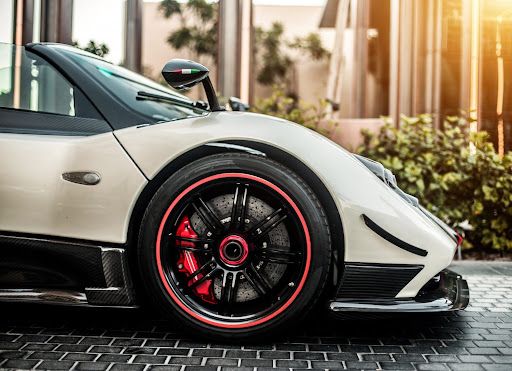
Australia’s aftermarket Mercedes wheels market has shifted noticeably over the past few years, and nowhere is that more visible than among owners of performance European models. Forged wheels, once considered a specialist or track-only product, have become a mainstream upgrade path for Mercedes and Porsche owners—and the reasons go well beyond appearance. Forged wheels for Mercedes and Porsche vehicles now offer a combination of performance, durability, and everyday usability that appeals to a much wider group of owners.
Forged wheels are manufactured by compressing a single billet of aluminium under extreme pressure, rather than pouring molten metal into a mould as with cast wheels. This process aligns the metal’s internal grain structure, producing a wheel that is significantly stronger for the same weight—or lighter for the same strength—compared with a cast equivalent.
Forged wheels for Mercedes and Porsche platforms matter because both manufacturers build performance variants—AMG models on one side, Carrera and Cayenne variants on the other—where factory wheel specifications already sit at the upper end of size and width. Upgrading within that context means there is very little margin for unnecessary weight, which is where forged construction earns its premium price. Performance-focused Porsche wheel designs also demonstrate how wheel construction, sizing, and weight can become central parts of a vehicle’s overall performance package.
A few years ago, forged wheels in Australia were mostly imported through small, low-volume channels, which meant long lead times and limited size availability. As demand has grown, more retailers now stock forged wheels specifically fitted to popular Mercedes and Porsche wheels chassis, which has shortened wait times and made comparison shopping realistic for the first time. This growing availability has made forged wheels for Mercedes and Porsche owners easier to research and purchase locally.
Forged wheels cost more upfront than cast alternatives in the same size, sometimes considerably so. Choosing forged wheels for Mercedes and Porsche performance models generally offers the strongest value when the car is used for spirited driving, track days, or held for the long term, where the reduced unsprung weight and impact resistance pay off over years rather than months. For a car used purely for short commutes, the case is less clear-cut, and a well-made cast wheel may be perfectly adequate.
Regardless of brand or construction, buyers should confirm load rating, offset and centre bore against their specific model year before ordering—Mercedes and Porsche both have variations across facelifts and trim levels that affect fitment even within the same model line.
Buyers should also review the Australian Design Rules and any applicable state or territory requirements before changing factory wheel or tyre specifications.
The rise of forged wheels for Mercedes and Porsche owners in Australia isn’t simply a style trend—it reflects a genuine performance and durability advantage that matters more on these platforms than on an average daily driver. As local stock and fitment data have improved, buying forged has become a realistic, well-supported option rather than a difficult specialist import.
The post Why Forged Wheels Are Becoming the Go-To Choice for Mercedes and Porsche Owners in Australia appeared first on Gauge Magazine.