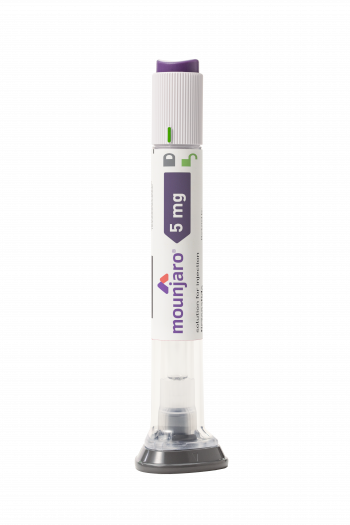

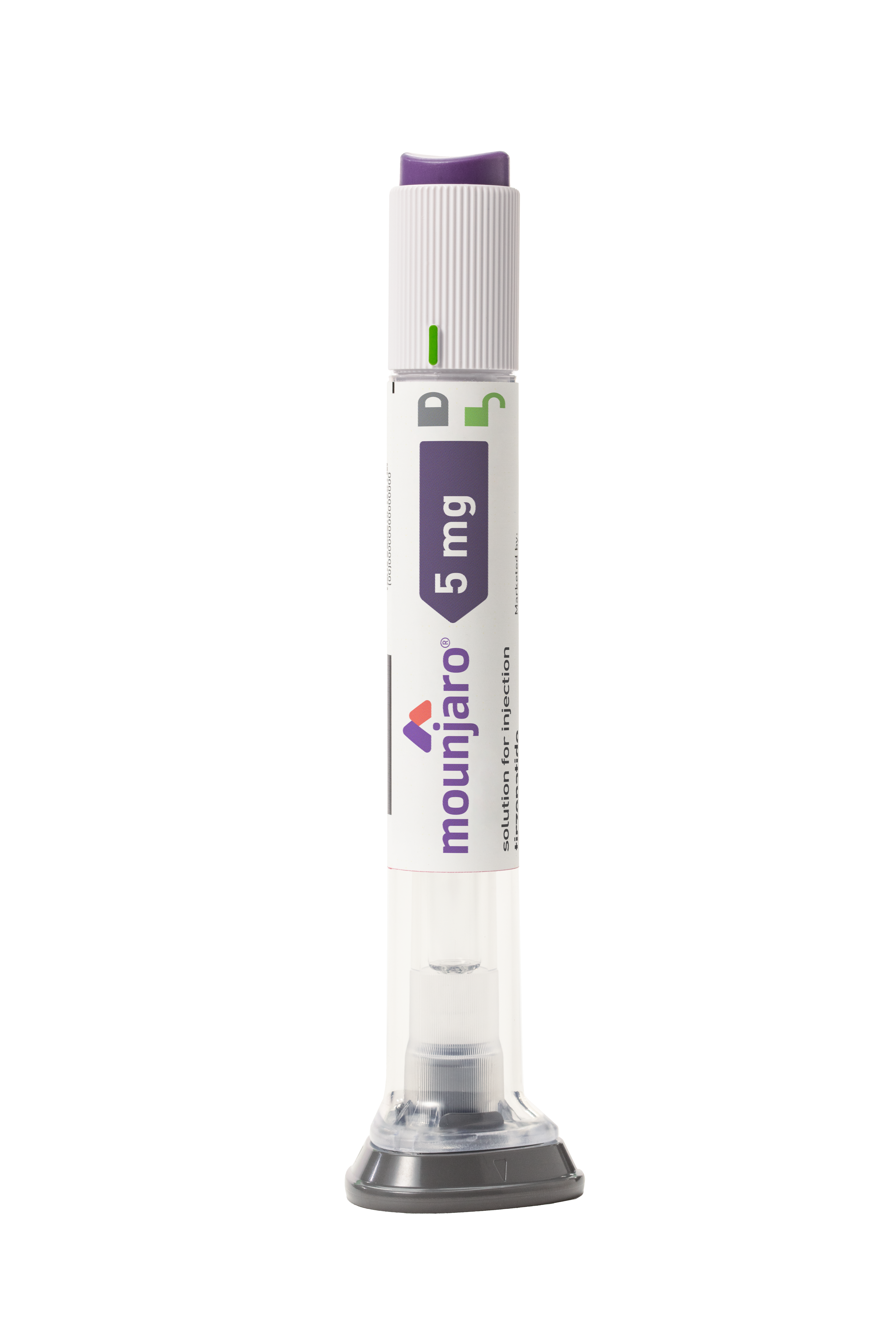
While the popular GLP-1 medications continue to help people control diabetes and weight, the versatile drugs are also starting to address other health conditions as well.
On Aug. 28, the U.S. Food and Drug Administration (FDA) approved Mounjaro to lower the risk of heart events, including heart attack, in people with diabetes. Made by Eli Lilly and Company, Mounjaro is already approved to help manage blood sugar.
Mounjaro affects two of the hormones in the incretin class—GLP-1 and GIP—that have become powerful targets for controlling blood sugar and weight. In the study Lilly submitted to the FDA, researchers compared heart events among people with Type 2 diabetes who either took Mounjaro or another Lilly drug for diabetes, called Trulicity, which targets only GLP-1. People taking Mounjaro had an 8% lower rate of heart attack, stroke, or heart-related death compared to those taking Trulicity. In previous studies, Trulicity helped people with and without a history of heart conditions to lower their risk of having a heart event by 12% compared to those receiving placebo.
“This study was in patients with Type 2 diabetes, in whom the No. 1 cause of death is cardiovascular disease,” says Dr. Rachel Batterham, senior vice president of medical innovation and external engagement for cardiometabolic health at Lilly. “So reducing that risk is critically important.”
Batterham says Lilly decided to compare Mounjaro’s potential in reducing heart risk to an existing drug, Trulicity, that already reduced heart risk to see if Mounjaro would have any additional benefit. “We set ourselves a very high bar,” she says.
But the study design means that the heart benefit results cannot be directly compared to Mounjaro’s competitor drug, Ozempic, from Novo Nordisk. Ozempic, which is approved to treat diabetes, and Novo Nordisk’s Wegovy, approved to treat overweight and obesity, are both approved to lower the risk of heart disease risk by 20%. Lilly is, however, currently conducting a study tracking people who don’t have Type 2 diabetes who take the weight-loss version of their drug, Zepbound, for heart events. In that study, says Batterham, the researchers will be looking at whether Zepbound can prevent second heart events from occurring in people who have already had one, as well as whether the drug can prevent first heart events from occurring.
For now, she says, the new indication means that for people with Type 2 diabetes already taking Mounjaro, doctors can discuss the fact that in addition to controlling their blood sugar, the drug may also help them to lower their risk of having heart events. And for those who don’t have diabetes and are taking Zepbound for weight loss only, “what we could say is that we know people with Type 2 diabetes see this [heart] benefit, but as yet we don’t have the data to say that this same benefit applies in people without diabetes—but we will have those data next year.”