
A few years ago, Katie Costanzo and her students went curbside shopping for trash. They collected eight bags of leaves that homeowners around Buffalo had raked up for disposal, then sifted through them to see what—if anything—was hiding inside.
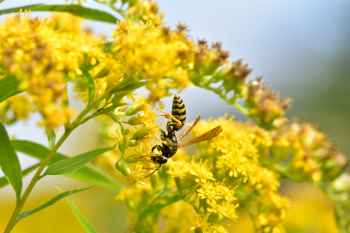
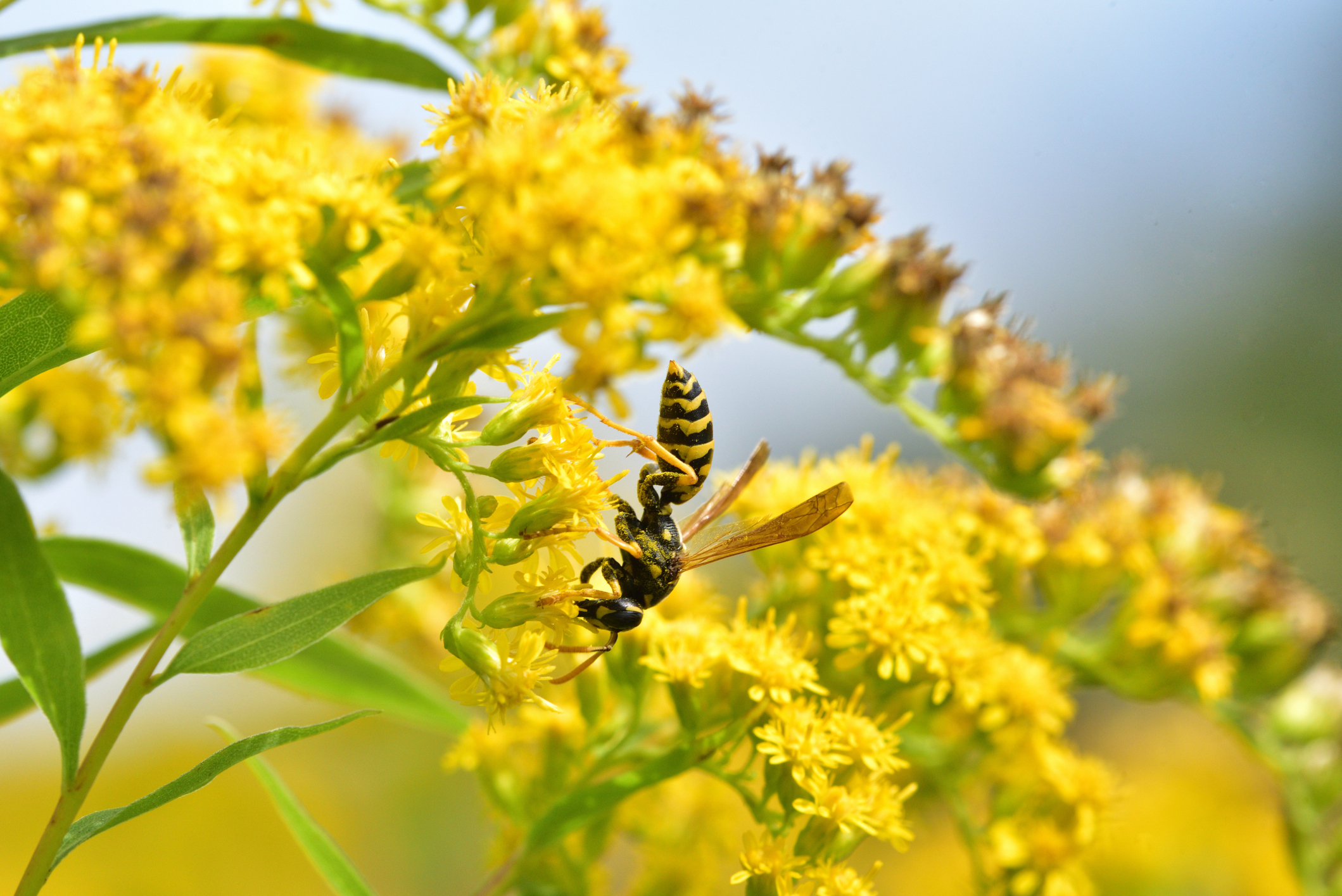
The bags were anything but empty. They contained insects from more than 25 families, representing every stage of life from eggs and larvae to pupae and adults. There were bees, wasps, lacewings, hoverflies, beetles, and more—all tucked into material their human landlords had deemed garbage. The class exercise was later published in American Entomologist.
That’s the problem with what we call “fall cleanup.” Costanzo, an ecologist and entomologist at Canisius University, wishes people would stop viewing leaves, stems, and wood as trash. “This is part of the ecology of our system,” she says. “This could be habitat or resources.” Much of what looks dead, messy, or finished for the season is still serving as food, shelter, or a nursery. And leaves are only the beginning.
Queen bumblebees may be tucked just beneath the soil in your yard. Native bees and ladybugs can shelter inside hollow stems you might otherwise have snipped and stuffed into a yard-waste bag. Beetles, flies, and other insects hide in spent flower heads, while birds return to those same plants for seeds. Once cold weather arrives, a yard might look like it’s closed for the season, but “all this business is happening” through the winter, says Mary Phillips, head of native plant habitat strategy at the National Wildlife Federation.
Pollinators are animals that move pollen from one flower to another, allowing plants to reproduce. In an American yard, that group includes native bees, butterflies, moths, beetles, flies, and some wasps—not only the honeybees most people picture. The same habitat also supports plenty of beneficial creatures that aren’t technically pollinators, including predators and decomposers that help keep an ecosystem functioning.
Kim Eierman, an ecological landscape designer and author of The Pollinator Victory Garden, encourages homeowners to think differently about even the smallest patch of land. “You have an ecosystem,” she says. “It may be a really tiny one. Maybe you’re lucky and have a lot of land—but you have an ecosystem, so we need to start treating our landscapes that way.” That means reconsidering some familiar features, including the closely cropped lawn she calls a “green desert.”
Here are seven fall habits pollinator experts practice in their own yards—and how to make each one manageable.
Before you pick up a rake, divide your yard mentally into zones. Continue maintaining the high-traffic areas where kids play, pets run, or people gather, as well as walkways and other spots that need to remain clear. Then identify one quieter space—under a tree, behind shrubs, alongside the house, or at the back of a garden bed—where leaves, stems, and a few branches can remain.
Costanzo does this in her own yard. “You don’t have to manage your entire property the same,” she says. Her family keeps recreational areas usable and designates other spots for pollinator gardens and small piles of natural material. Someone with a suburban lot might preserve only a few sticks and one bed of leaves. That still counts. “Anything—any change—is good change,” she says.
If you’re worried that neighbors will mistake habitat for neglect, put up a sign explaining what you’re doing. “I have a pollinator sign. I have a native-plant sign,” Eierman says. “It’s a clue to neighbors and passersby that we’re gardening a little differently—and we’re gardening with a purpose.”
The same zoning strategy applies to the lawn: “I start to cut back—not cut the lawn back, but cut back on how often I mow,” Phillips says of the turf her family still uses. As growth slows in the fall, she spaces out mowing and leaves the grass a little taller. A patch set aside as habitat is different: Once insects have settled in, leave it undisturbed through the winter rather than mowing it down.
Eierman would like to rebrand “leaf litter” as “nature’s gold.” Fallen leaves insulate bumblebee queens near the soil surface where they hibernate and shelter butterflies, moths, caterpillars, and many other invertebrates. As the leaves break down, they also return nutrients to the soil, suppress weeds, and become free mulch and compost. “Nature knows what it’s doing,” Costanzo says. “We don’t have to clean it up.”
The most practical approach isn’t necessarily to leave every leaf exactly where it lands. The National Wildlife Federation recommends moving leaves off turf, pavement, driveways, and other places where a thick or slippery layer would create problems. Rake them beneath trees or into garden beds, aiming for a layer about 3 to 5 inches deep. If you still have extras, pile them in a little-used corner and let them slowly become leaf mold. Lightly spray newly placed leaves with a hose to keep them from blowing away on a windy day.
If you plan to shred fallen leaves with a lawn mower and leave the pieces on the grass, do it early in the season, before many insects have settled in for winter, Eierman says. “If you leave all those leaves and then start chopping them up, you’re chopping up lots of invertebrates, too,” she says. When you send occupied leaves to the curb, “you’re throwing away a part of your ecosystem,” Costanzo adds.
There are exceptions: Diseased plant material and invasive plants may need to be removed; ask a local extension office how to dispose of them. Leaf litter can harbor ticks, so keep it away from play spaces and heavily used paths, and follow local public-health guidance. In wildfire-prone regions, habitat advice never outranks defensible-space rules. For example, CAL FIRE advises removing leaves and other combustible debris from the first 5 ft. around structures and maintaining additional cleared zones beyond that. Regional rules vary, so check with your local fire authority.
When an aster, ironweed, Joe-Pye weed, or native grass turns brown, resist the urge to shear it to the ground. Hollow and pithy stems can serve as nesting or overwintering sites; flower heads shelter small beetles, flies, and weevils; and seed heads become winter buffets for birds. Eierman has watched goldfinches descend on the plants in her yard to pry out seeds.
“They look dead to you,” she says. But they haven’t clocked out yet.
The easiest option is to leave most plants standing through the winter. Phillips’s Joe-Pye weed grows so high that they’re “taller than me,” she says. To keep those lanky stalks from toppling, she gathers them with twine, transforming them into an architectural feature rather than a botanical pileup.
You can shorten especially unruly stems, but don’t cut them all the way down: Leave at least a foot standing. Eierman trims only some hollow or pithy stems and varies their heights, creating openings for stem-nesting bees of different sizes. Leave plenty untouched, too. The point is variation—not precision pruning with a ruler.
Diseased plants are the exception. Remove affected material rather than preserving it alongside healthy stems, and use local extension guidance to determine whether it should be trashed, burned where legal, or processed another way. Normal browning at the end of the season isn’t itself a disease.
Bee housing doesn’t always resemble a charming wooden hotel. Many native bees nest in the ground, burrowing a few inches into exposed soil and spending much of their lives there. A landscape sealed beneath thick wood-chip mulch offers them fewer entrances.
Look for a quiet spot where you can pull back the mulch and leave a modest patch of soil exposed and undisturbed. It doesn’t need to dominate the garden. Even small openings between plants can help, especially when they aren’t covered with plastic sheeting, landscape fabric, or another barrier. The Xerces Society offers guidance on recognizing and preserving ground-nesting habitat.
If you like mulch because it suppresses weeds and looks polished, keep using it where you need it; just don’t smother every square inch. “Everybody’s situation is different,” Costanzo says. The goal is to create access, not a moonscape.
A fallen limb doesn’t automatically need to leave the property. Decaying logs, sticks, and small brush piles provide structure and shelter for insects and other wildlife; birds also forage there for food. “Keep some of the sticks, keep some of the larger pieces of wood,” Costanzo says. “It really does provide structure and habitat that’s so important in the winter.”
That doesn’t mean every branch must remain exactly where it lands. “You don’t leave them where they fall necessarily,” Phillips says. She moves dead branches, logs, and brush into a corner of her yard—like behind shrubs, where they’re less conspicuous. “Sometimes a pile like that can be really helpful,” she says.
Start small: Place a log along the back of a garden bed, tuck a few sticks beneath a shrub, or build one restrained brush pile in a low-traffic area. Keep dead wood away from the house, and don’t leave a damaged tree standing if it could fall on a person, building, power line, or neighboring property. The National Wildlife Federation has additional guidance on dead wood and wildlife habitat.
Fall isn’t only a season for leaving things alone. In many parts of the country, it’s an excellent time to plant: Cooler temperatures can reduce stress on new plants, and nurseries may discount perennials that look tired but have perfectly viable roots. “Here in the Northeast, our optimal times for planting are September, October,” Eierman says. “That’s what I’m doing right now.” The ideal window varies, so check local recommendations and leave enough time for roots to establish before the ground freezes.
Start with one or two species rather than redesigning the entire property by sundown. Choose plants native to your region and suited to the site’s sunlight, soil, and moisture. Costanzo’s family has added everything from oaks, dogwoods, and redbuds to Joe-Pye weed and black-eyed Susans. “We’ve seen such a difference,” she says. “We have so much diversity.” Last year, seven bird species nested on their property.
Some plants pack an especially powerful ecological punch. “The oak tree is the superstar,” Phillips says: Across the U.S., oaks support hundreds of species of butterfly and moth caterpillars. If you don’t have room for a giant tree, native shrubs, grasses, and flowering perennials still count. Enter your ZIP code into the National Wildlife Federation’s Native Plant Finder to see locally useful options. The right list will look very different in Pennsylvania than it does in Arizona or Oregon.
Native plants can be pricey, but fall bargain-hunting may pay off. Phillips looks for end-of-season markdowns at nurseries that carry them. “They may not look good, to be honest,” she says. You might put one in the ground and immediately cut it back—but “then they’ll come back the next year.”
When shopping, ask whether a cultivated variety still produces pollen, nectar, and seed. “You don’t want sterile plants,” Eierman says. “You want plants that actually produce seed.” Some cultivars provide nectar for pollinators but no seeds for birds, making them less useful than they first appear.
Fall is also seed-collecting season. Gather mature seeds from native plants you already grow and spread them elsewhere on your property. Phillips does this with plants she wants to expand into other parts of her yard. Some seeds, including those of many milkweeds native to cold-winter regions, need a period of low temperatures before they germinate. Plant them in fall, Phillips says, and winter will handle the chilling for you.
Treat the problem, not the calendar. Pesticides and herbicides should answer a specific need—not arrive automatically with the turning leaves.
Broad-spectrum insecticides don’t distinguish between a mosquito and the many insects you want to keep. Costanzo recommends using them “in response to something rather than proactively,” and only when truly necessary. “They kill every insect,” she says. “They’re not specific.”
Herbicides create a different problem: They eliminate clover, violets, dandelions, and other plants that can provide food for insects. “Your lawn doesn’t have to look like a carpet,” Costanzo says. Keep turf where you need it for recreation, but consider allowing more plant diversity elsewhere.
That doesn’t mean never treating a genuine infestation or health threat. Identify the problem first, then use the most targeted approach available rather than spraying preventively across the entire property. Follow the label exactly. The U.S. Environmental Protection Agency recommends using pesticides only when necessary and treating only the specific area that needs treatment.
Also reconsider the assumption that every nibble is damage. A chewed leaf can be evidence that a native plant is feeding the ecosystem exactly as intended. When Costanzo notices signs of hungry insects, she reminds herself: “I’m supporting the ecosystem. I’m so glad these insects are finding a resource here.” A few holes usually won’t kill a healthy plant, she adds—and flawless foliage isn’t much use to a caterpillar.
These changes benefit the gardener, too. In an August 2026 National Wildlife Federation survey of more than 1,000 wildlife gardeners, 96% said the practice had improved their mental health, and 93% reported physical-health benefits. Respondents most often described the joy of seeing wildlife, a lift in mood, and the satisfaction of knowing they were making the world a little better. Unlike many long-term environmental problems, the payoff can appear surprisingly quickly. “Within a season, you’re seeing the wildlife come,” Phillips says. “You’re seeing the butterflies. You’re seeing the birds; you’re hearing the birdsong.”
For Eierman, that ability to take action—and see it rewarded—is part of the appeal. “There are very few things we have control over in our lives—particularly the ones that give us a lot of pleasure,” she says. “This is one. The effort that you put into it comes back to you in a big way.”