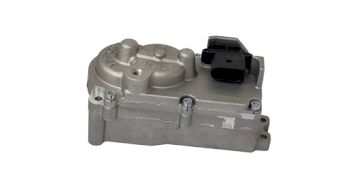

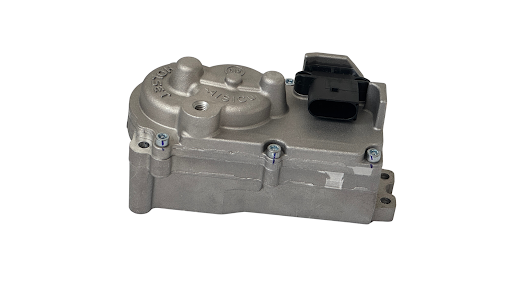
On many 2013–2018 Ram trucks with the 6.7L Cummins, the VGT actuator can appear under several original, replacement, and superseded part numbers. Stores such as Wisent Parts Center help customers buy the R8481772AA part alongside other commonly referenced numbers for this actuator.
R8481772AA is listed by Mopar as a remanufactured turbocharger actuator for certain 2013–2018 Ram applications with the 6.7L Cummins diesel. Because part numbers and turbo configurations can vary, buyers should confirm fitment using the VIN, engine serial number, turbocharger model, and original actuator number before ordering.
The actuator sits on the turbocharger and controls the movable vanes inside it. At lower engine speeds, the vanes can change position to direct exhaust flow in a way that helps the turbo build boost faster. As engine speed and load increase, their position changes again to manage exhaust flow through the turbocharger.
The Cummins VGT actuator makes these adjustments continuously based on commands from the engine control system. This is also why the VGT system plays an important role in exhaust-brake operation.
A failing VGT actuator can change the way the truck drives before it stops working completely. Soot buildup inside the turbocharger can also make the vanes stick, forcing the actuator to work against additional resistance.
Common signs include:
These symptoms do not always mean the actuator itself is bad. Sticking turbo vanes, wiring problems, boost leaks, calibration faults, or sensor issues can cause similar problems, so the system should be checked before replacing parts.
Gauge Magazine’s guide to turbocharged-engine care explains why airflow leaks, lubrication, heat, and routine inspection can affect turbocharger operation and service life.
Replacing the actuator without checking the turbocharger can lead to the same problem returning. If the vanes inside the turbo are sticking because of soot or carbon buildup, the new actuator may have to work against that resistance. Wiring and sensor problems can also create similar symptoms.
Before installing a replacement, the turbo vane movement should be checked and the fault should be properly diagnosed. Stored codes and live scan data can help distinguish an actuator communication or position problem from sticking vanes, a boost leak, or another engine-management issue.
Similar symptoms can also come from other systems on a modern diesel engine. Gauge Magazine’s article on 6.7 Cummins EGR cooler problems explains why reduced power and drivability changes should not automatically be blamed on one component.
Matching the replacement actuator by appearance alone is not enough. Confirm the part number and any approved interchange against the truck’s VIN, engine information, turbocharger model, electrical connector, and original actuator.
After installation, the actuator generally requires the manufacturer-specified calibration or relearn using compatible diagnostic equipment. Skipping that procedure can cause fault codes or improper vane control even when the replacement component is otherwise correct. Follow the applicable service information for mounting, calibration, and final testing.
The official Mopar listing for R8481772AA identifies it as a turbocharger actuator for 2013–2018 Ram applications and notes its use with the 6.7L Cummins diesel engine.
The VGT actuator may be a small component, but it has a major effect on how a Cummins-powered truck builds boost, responds under load, and operates its exhaust brake.
When problems appear, carefully checking the turbocharger system, confirming free vane movement, matching the correct replacement actuator, and completing the required calibration can help prevent repeat repairs and unnecessary downtime.
The post The Story Behind the Cummins VGT Actuator appeared first on Gauge Magazine.