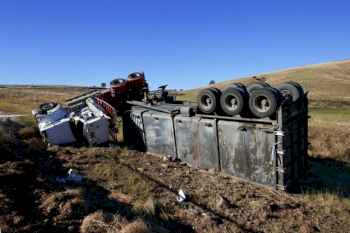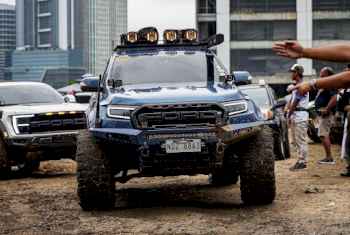

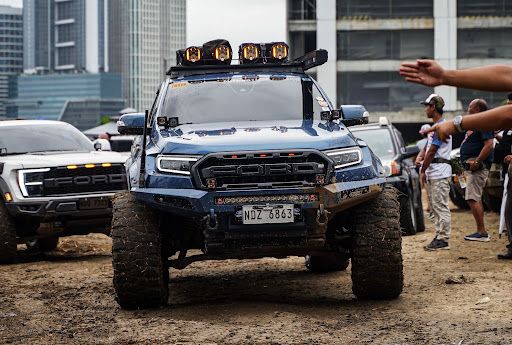
If you ask 10 people at a show what their build is worth, you may get 10 numbers, all of them backed by receipts. If you ask their insurance companies the same question, you may get a number based largely on a vehicle that no longer exists: the stock version that left the factory, adjusted for age, condition, mileage, and depreciation.
That gap is where many builders discover what their policies actually cover, usually on the worst possible day. Understanding built truck insurance value before a loss can help prevent a stock-vehicle settlement from becoming the final word on years of custom work. Here is how the coverage works and what to review before you need it.
A standard auto policy generally bases physical-damage coverage on the vehicle’s actual cash value. Collision and comprehensive coverage may pay to repair or replace the covered vehicle, subject to the policy’s terms, deductible, and applicable limits. Actual cash value generally reflects the cost of replacing the vehicle with a comparable one, adjusted for depreciation, age, condition, mileage, equipment, and other factors.
Aftermarket work may receive limited coverage or no additional coverage unless the policy specifically recognizes it. Progressive explains that modifications and aftermarket equipment may not be fully covered by a standard auto policy. Depending on the insurer, protecting them may require an endorsement or a separate custom or collector-vehicle policy.
Air ride, a built motor, a bed cover, one-off paint, four amplifiers, and a wall of subwoofers can all exceed what an ordinary policy was designed to cover. The premium may have been calculated using the truck’s original specifications, so the builder should never assume that every later modification automatically increased the insured value.
Gauge Magazine’s guide to special insurance for a customized vehicle explains why owners should disclose modifications and review coverage before beginning a major build.
One option offered by some carriers is custom parts and equipment coverage, commonly shortened to CPE. It can extend physical-damage coverage to eligible aftermarket parts and modifications, subject to a stated limit, policy terms, exclusions, and the deductible.
CPE is commonly offered with comprehensive and collision coverage rather than as a replacement for them. Requirements and available limits vary by insurer and state. Two details determine whether the endorsement provides enough protection for a particular truck:
Read the limit before comparing the price. An endorsement capped below the value of what is bolted to the truck provides only partial protection. Also confirm whether the limit is included within the vehicle’s total physical-damage settlement or paid in addition to another amount.
These three terms are sometimes used as if they mean the same thing, but they can produce very different settlements.
Agreed-value coverage is often associated with collector and specialty programs rather than ordinary daily-driver insurance. Eligibility rules vary and may include mileage restrictions, secure-storage requirements, limits on daily use, or proof that another vehicle is available for routine transportation.
A truck driven to work every morning may not qualify for a collector program. That is why this conversation belongs with an agent while the build is still underway, not after a crash or theft.
Texas law and an insurer’s total-loss decision are related, but they are not identical.
Texas Transportation Code §501.091 defines a salvage motor vehicle, in part, by comparing its pre-damage actual cash value with the cost of repairing damage to a major component part. That statutory calculation excludes sales tax and the cost of materials and labor used to repaint the vehicle. The provision primarily concerns whether the vehicle meets the state’s salvage-title definition.
An insurer does not necessarily have to wait until repair costs exceed 100% of the vehicle’s actual cash value before declaring it a total loss. The Texas Department of Insurance explains that a company may total a vehicle when repair costs are close to its value, and some insurers may use a lower internal threshold.
Run that calculation against a built vehicle. Specialty paint, fabrication, suspension, bodywork, and replacement parts can quickly push the repair estimate toward the insured value of an older pickup. The insurer may decide that paying the applicable total-loss settlement makes more financial sense than completing the repair.
The settlement is then tied to the valuation method and coverage written into the policy. Actual-cash-value coverage may produce a substantially different result from an agreed-value policy. Agreed value does not necessarily stop an insurer from declaring the truck a total loss; it can change what a covered total-loss claim pays.
If the owner keeps a totaled truck, the insurer will generally subtract its salvage value from the settlement. The vehicle may also require a salvage or rebuilt title before it can legally return to the road, depending on its condition and applicable Texas requirements.
Builders often focus entirely on physical-damage coverage and overlook the part of the policy that can cost far more than the truck.
Texas requires minimum liability limits of $30,000 for bodily injury to or death of one person, $60,000 for bodily injury or death in one collision, and $25,000 for property damage. These are commonly described as 30/60/25 limits and have applied since 2011.
Medical expenses and damage to a newer vehicle can exceed those minimum limits. When covered losses exceed the available liability insurance, the responsible driver may face personal exposure for the remaining amount.
Two items worth pricing at renewal are:
Texas insurers generally must provide UM/UIM coverage unless a named insured rejects it in writing. Under Texas Insurance Code §1952.101, an insurer is not required to restore the coverage on a renewal or reinstated policy after a written rejection involving the same or an affiliated insurer unless the named insured requests the coverage in writing.
That means UM/UIM can remain absent from a policy long after the original rejection was signed. Check the declarations page rather than assuming the coverage is there.
Documentation helps turn the owner’s number into a value an insurer can evaluate. Do it while the truck is apart, not after it is damaged or gone.
Gauge Magazine’s guide to accident documentation for automotive enthusiasts provides additional ideas for organizing modification records, photographs, and valuations.
A personal auto policy is generally written for personal use, and business use may be excluded or limited. Using a truck for paid deliveries, customer work, rideshare activity, or another commercial purpose can require different coverage.
Depending on the operation, the discussion may include commercial auto insurance, general liability, tools and equipment coverage, or garagekeepers coverage when customer vehicles are left in the business’s care, custody, or control. The correct combination depends on how the truck and business operate.
Accepting occasional payment does not automatically create the same insurance needs for every owner, but it should trigger a conversation with the agent before the work begins. This is an underwriting question, not something to resolve after a claim.
None of this is exotic, but it requires a different set of questions from those used to quote a stock commuter vehicle. Builders may benefit from an agent familiar with modified and non-standard vehicles who can compare available coverage rather than trying to fit every build into an ordinary policy.
Paga Menos Insurance, an independent insurance agency based in Houston, offers personal and commercial auto coverage in Texas and works with multiple insurance companies. Availability, eligibility, limits, and coverage for a specific modified vehicle still depend on the insurer and policy selected.
Before buying, the Texas Department of Insurance publishes consumer information, company complaint data, and shopping resources. Drivers can also use HelpInsure.com to compare sample rates, coverage types, and company information.
Your build is worth what you can document and what your policy is contractually written to cover. Those numbers should be established long before a crash, theft, fire, or other loss.
Price a custom-parts endorsement and ask exactly what it covers and where it stops. Find out whether the truck qualifies for an agreed-value policy. Review the liability and UM/UIM limits, and keep receipts as though you will eventually need them.
Those records are the clearest version of the build an agent, appraiser, or claims adjuster can review. Gauge Magazine’s examination of Houston car accident costs beyond body damage provides additional information about documenting modifications, vehicle value, repairs, and other losses following a collision.
Insurance products, limits, exclusions, and eligibility rules vary by company, state, vehicle, and policy. Review the complete policy and declarations page with a licensed insurance professional.
The post What a Built Truck Is Worth to Your Insurance Company appeared first on Gauge Magazine.