
Every enthusiast pours time and money into the cars they love. Weekends go into the build, and real pride rides on the result. What many overlook is how quickly an insurance label can change. A few violations or a lapse in coverage can push even a careful owner into the high-risk category. That is when high-risk car insurance for enthusiasts becomes part of the ownership picture.
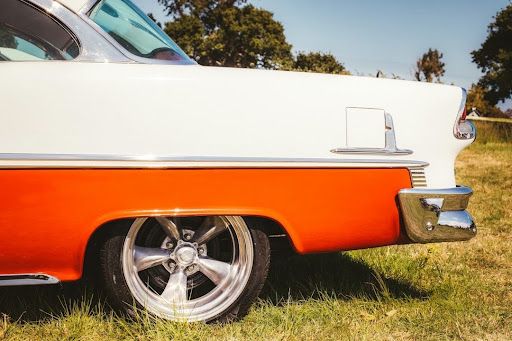 Photo by atelierbyvineeth … on Unsplash
That label sounds worse than it is, and the right agency can make it more manageable. A Florida specialist like 5-Star Insurance handles the filings that help high-risk drivers meet state requirements and stay on the road legally. This guide explains what high-risk coverage means, when an SR-22 or FR-44 may be required, and how to keep costs in check.
High-risk insurance covers drivers that standard carriers consider more likely to file a claim. It is not a punishment, but it can involve different pricing, underwriting requirements, and paperwork. Plenty of otherwise responsible drivers end up in this category for a period of time. The key is knowing what caused the classification and what may help improve your options.
Several things can trigger the label:
The good news is that the status is temporary for many people. Clean driving over time can move you back toward standard rates, although underwriting rules differ among insurers. Understanding the auto insurance coverage basics helps you see exactly where you stand. Once you know the cause, you can start working your way back toward standard pricing.
An SR-22 is not an insurance policy. It is a certificate your insurer files with the state to show that you carry the required coverage. The name confuses many drivers, but the basic idea is straightforward. Certain situations require proof of financial responsibility, and Florida adds its own form with the FR-44.
You may need a financial-responsibility filing after:
Florida’s FR-44 works somewhat like an SR-22 but certifies substantially higher liability limits following qualifying DUI matters. Requirements differ by state. Oregon’s published SR-22 filing requirements provide one example of how a state handles proof of future financial responsibility. A Florida specialist can determine which Florida filing applies to a particular driver.
High-risk does not have to mean accepting the first price offered. Smart choices may reduce the cost while you complete the required filing period. The practical approach is to compare suitable policies rather than remaining passive.
 Photo by Samuel Couto on Unsplash
A few moves can make a difference:
Owners who take a prized build on the road know it deserves the right policy, not just the cheapest one. Comparing coverage, exclusions, vehicle-use restrictions, deductibles, and liability limits can help balance cost with meaningful protection.
Not every agent regularly handles high-risk filings, and mistakes can cause real problems. A lapse or cancellation involving a required SR-22 or FR-44 may be reported to the state and could result in another suspension. That is why experience with these filings matters.
A dedicated agency may provide several advantages:
For the owner of a show-stopping 1940 GMC rat rod, that expertise can help keep the vehicle insured and road legal without unnecessary confusion. The right partner can make a stressful process easier and may locate a more suitable rate or policy.
High-risk insurance is often a temporary phase, and the right approach can make it more manageable. Learn what the classification means, know when an SR-22 or FR-44 applies, and use responsible driving habits to improve your future options. A specialist can help file the correct form and identify carriers willing to consider your business.
Do that, and you can focus on what matters: enjoying the cars you have worked so hard to build, including the kinds of customs featured among Gauge Magazine’s SEMA lowriders.
Insurers may apply the classification when a driving or insurance record suggests a higher likelihood of a claim. Common causes include tickets, at-fault accidents, a DUI, a lapse in coverage, multiple recent claims, or limited driving history. It is an underwriting and pricing category, not necessarily a permanent judgment. Many drivers can move back toward standard rates after maintaining a cleaner record and continuous coverage.
No. An SR-22 is a certificate an insurer files with the state to confirm that the driver carries the required coverage. An insurance policy must still support the filing. Florida also uses the FR-44, which certifies higher liability limits following qualifying DUI matters. The applicable form depends on the state and the reason proof of financial responsibility is required.
The required period varies by state and offense, although three years is common. During that period, continuous coverage is important because a lapse or cancellation can trigger state reporting, extend the requirement, or result in another suspension. Drivers should confirm the exact end date with the appropriate state agency before removing a filing.
It may be possible, but availability depends on the vehicle, driver, insurer, filing requirement, and how the car is used. Some specialty or collector policies impose mileage, storage, driving-record, and household-vehicle requirements that a high-risk driver may not satisfy. An agency familiar with both required filings and enthusiast vehicles can explain the available options without assuming that every show car qualifies for specialty coverage.
The post High-Risk Car Insurance for Enthusiasts appeared first on Gauge Magazine.