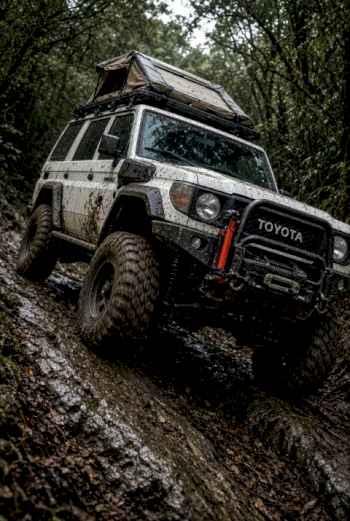
There is a sound a tired trail rig makes about four miles into a rock garden, somewhere between a rattle and a groan, and most weekend drivers learn to recognize it eventually. It is not a failure yet. It is the noise of hardware working harder than it should, and it can show up long before anything actually lets go.
The usual response is to buy power. Bigger intake, a fresh tune, a louder exhaust, and now the machine reaches the same rocks faster than it did last season. The rocks remain unimpressed. What often decides whether you drive home or get dragged home is the less glamorous hardware underneath—the parts responsible for managing impacts, maintaining traction and protecting critical components.
Off-road modification remains a major part of the automotive aftermarket. SEMA’s powersports market research has highlighted continued demand for UTV upgrades including wheels, tires, seats, lighting and protective equipment. Those are also areas where smart upgrades can make a noticeable difference when a vehicle is regularly used on demanding terrain.
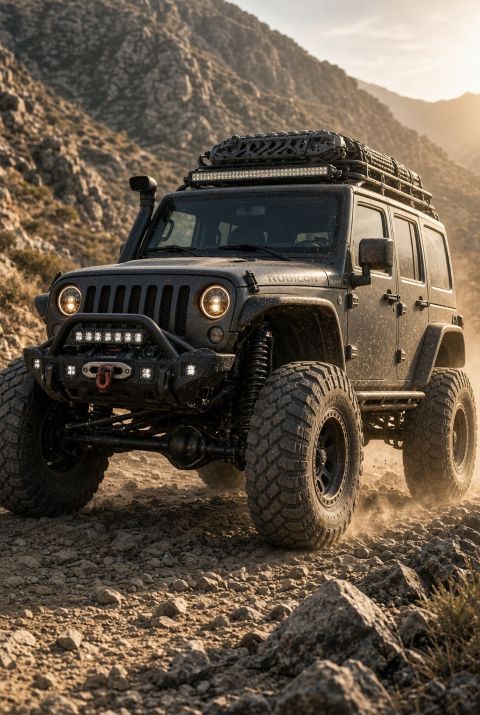
Suspension comes first because everything else on the vehicle is affected by how well the suspension controls the terrain underneath it. Factory suspension is designed around a range of expected uses, but drivers who repeatedly tackle rocks, ruts, washboard roads and other demanding terrain may eventually find its limits.
Quality rebuildable shocks with appropriate compression and rebound control can give an experienced driver more ability to tune the suspension for the vehicle, load and terrain. Bushings, control arms, ball joints and other suspension components also deserve regular inspection. Worn components can allow unwanted movement, affect alignment and contribute to poor steering feel or uneven tire wear.
The goal is not simply to install the stiffest parts available. Components should be selected as a system for the vehicle’s weight, suspension geometry and intended use. Gauge Magazine has covered the same principle in our look at keeping off-road vehicles ready for demanding terrain.
Wheel and tire weight matters because much of that mass is unsprung and must move with the terrain rather than remaining isolated with the vehicle body. Reducing unnecessary unsprung mass can help suspension response, but wheel strength, load rating, tire construction, vehicle weight and intended use all have to be considered together.
That is especially important when selecting utv wheels. A properly engineered wheel should be selected for the specific machine, bolt pattern, load requirements, tire combination and type of riding. Forged and other performance-oriented aluminum wheel designs can offer useful combinations of strength and weight, but construction quality and correct application matter more than simply choosing a wheel because it is lighter.
Owners sometimes shop wheels primarily by appearance. The trail cares more about proper fitment, construction, load capacity and whether the wheel and tire combination is appropriate for the terrain. For more background on off-road wheel considerations, see Gauge Magazine’s guide to 4×4 wheels for off-road adventures.
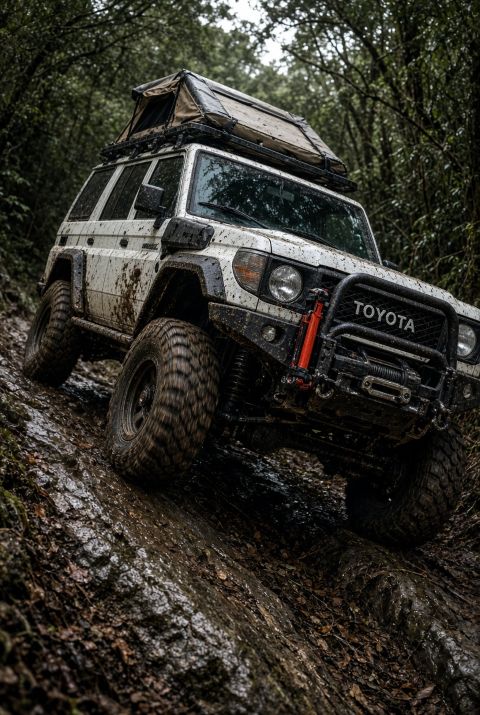
Skid plates, rock sliders and radiator protection are easy upgrades to overlook—right up until one of them prevents an expensive repair. Full underbody protection can be particularly valuable on rocky terrain, where a glancing impact may damage a line, housing, boot or other exposed component without producing the dramatic hit a driver expects.
Cooling-system protection deserves attention too. Mud and debris can restrict airflow through radiators, while sticks and trail debris can damage exposed components. Protective screens can help in the right application, but they also need to be inspected and cleaned so they do not become an airflow restriction themselves.
The builds in Gauge Magazine’s SEMA off-road coverage show how serious off-road builds combine suspension, tires, armor, bumpers, lighting and recovery equipment instead of relying on one modification to do everything.
Expensive parts installed carelessly can fail just like cheap ones. Wheel hardware should be tightened to the vehicle or component manufacturer’s specified procedure and torque, using a properly calibrated torque wrench where required. New wheel installations should also be rechecked according to the wheel or vehicle manufacturer’s recommendations.
Regular inspections matter just as much. Check grease points where applicable, inspect CV boots and suspension joints, watch for leaks and damage, and examine wheels and tires after hard trail use. Catching a torn boot, loose fastener or damaged tire early is far easier than dealing with the resulting failure miles from the pavement.
Driving technique belongs on the durability list as well. The Recreational Off-Highway Vehicle Association promotes safe and responsible recreational off-highway vehicle operation and offers driver training resources. Choosing an appropriate speed, reading terrain and following the manufacturer’s operating instructions can reduce unnecessary impacts while improving safety.
A tough trail rig is not simply a collection of expensive parts. It is a vehicle where the suspension, wheels, tires, protection and supporting hardware work together for the terrain and loads the owner actually encounters.
Keep records, too. The parts that wear quickly on your terrain may not be the same ones another driver struggles with. A short note after each ride about what loosened, leaked, rubbed or sounded different can turn guesswork into a useful maintenance history.
Start at the bottom. Strengthen what carries the load, choose wheels and tires for the actual application, protect vulnerable components and maintain the hardware holding everything together. Then go find the rock garden again and listen. The silence is the point.
The post Essential Upgrades to Toughen Up Your Trail Rig appeared first on Gauge Magazine.