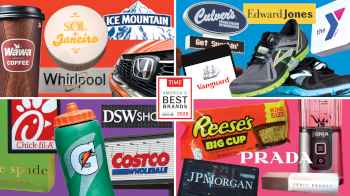
A new consumer survey of more than 33,000 Americans of all ages by TIME and its data partner Statista shows how each generation—from Gen Z to Baby Boomers—is currently shopping. And while there are slight deviations between Baby Boomers, Gen X, and Millennial shopping habits, Gen Z appears to be changing the game altogether.
The 10-minute online questionnaire asked respondents to select categories in which they had made a purchase or researched within the past three years and to list up to three brands within those categories. Then they were asked to evaluate the brands based on customer service, user experience, and quality on a scale of 1 to 5, with 1 being terrible and 5 being excellent. The final question asked them how likely they are to recommend the selected brands to friends and family around the same age on a scale from 0 to 10, with 0 meaning they would definitely not recommend it and 10 meaning they would definitely recommend it.
Methodology: How TIME and Statista Determined America's Best Brands, According to Each Generation
The brands listed in each category are the ones that each generation typed in the most and rated most highly. Baby Boomers sprint to Brooks for running sneakers, which comes in at number 1 on the list of the top 10 brands selected by that generation. Designer Kate Spade got it in the bag, leading Gen X’s top 10 list. No matter how you slice and dice it, kitchen appliance brand Ninja topped millennials’ list. And bottled water Ice Mountain, popularized by TikTok, summits the Gen Z section.
But some categories were left entirely blank by Gen Z, offering a glimpse into how different their lifestyle habits are from older generations. Three examples include department stores, women’s clothing brands, and ovens.
In department stores, Nordstrom was ranked by Baby Boomers, Gen X, and Millennials—but no meaningful number of Gen Z participants listed a single department store, suggesting they may be less relevant to that generation.
It’s been well-documented that Baby Boomers frequent department stores more than Gen Z. Historically, if Americans wanted to shop Prada, Chanel, and Louis Vuitton all in one place, they’d go to a department store like Neiman Marcus. Neil Saunders, Managing Director and Retail Analyst at GlobalData Retail, points out that over the last decade, those couture brands are opening their own stores elsewhere. “Every year, the segment has seen its market share, share of retail sales, decline,” says Saunders.
In addition, a lot of department stores are in malls, and as millennials and Gen Z are doing more online shopping or buying second-hand, most malls are seeing declining foot traffic. In the U.S., an average of 40 malls closed every year between 2017 and 2022, according to Capital One Shopping Research.
Rather than buying everything in one store like a department store, Gen Z tends to hit up a mix of high-end and budget stores to buy different brands only sold at those places, such as shopping directly at Michael Kors, Coach, or Zara—“the ultimate day-traders,” as Jeff Fromm, author of Marketing to Gen Z and Marketing to Millennials, puts it. They are also less loyal to a particular designer brand than previous generations, says Fromm, and more interested in whatever clothes are worn by people they follow on social media. He adds that Gen Z and millennials tend to spend more on experiences than things—especially travel, sporting events, concerts, and Instagrammable foods.
And those foods are store-or restaurant-bought; zero brands of ovens appear in the Gen Z section of the survey.
While it’s true that Gen Z devours viral TikTok videos of recipes made from countertop appliances like air fryers and Instant Pot, Saunders points out Gen Z is spending more time eating takeout from fast-casual restaurants than cooking meals in an oven. They have access to DoorDash, Uber Eats, and a whole menu of fast delivery apps that older generations didn’t have when they were younger.
But Jack Curran, Senior Analyst and Team Lead at IBISWorld–which published a 2026 report on household appliance manufacturing in the U.S.—wrote to TIME in an email that any gap might have more to do with homeownership rates: “Only about 25% of Gen Z owns their own homes, so about 75% of the generation isn’t responsible for purchasing their own ovens and other large appliances. For the most part, if you rent an apartment, you just use whatever appliances are already there.”
But Gen Z isn’t the only generation that appreciates fast food, and all the generations agreed on their appreciation of one brand: Chick-fil-A.
See all of the survey results below: