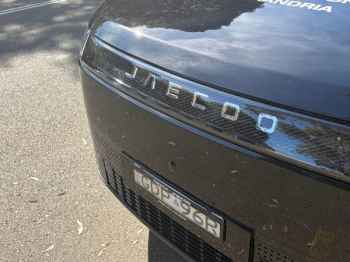
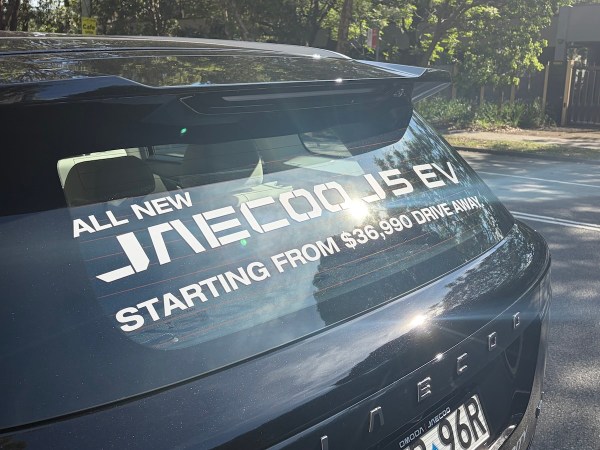
Jaecoo stormed onto the global automotive scene last year, even becoming a Top 10 brand in the UK. If the “Temu Range Rover” J7 has conquered the UK market (#1 in March and September) and ranked #10 across Europe in September, the smaller, cheaper J5 has also made itself noticed, ranking #7 in Australia in May and inside the YTD Top 20 as of end September. We will test drive the EV variant, available at launch from AUD$36,990 in Australia (23,100€ or US$25,900). Keep in mind the petrol variant starts at a puny AUD$25,990 (16,300€ or US$18,200)… Note from 1st of July the price has been upped to a still very reasonable AUD$39,990 (25,100€ or US$28,100).
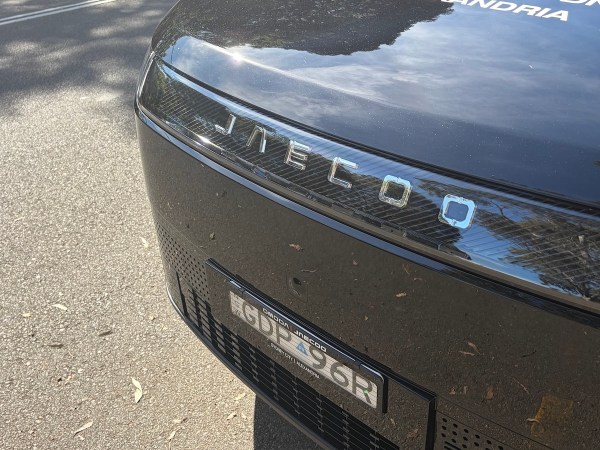
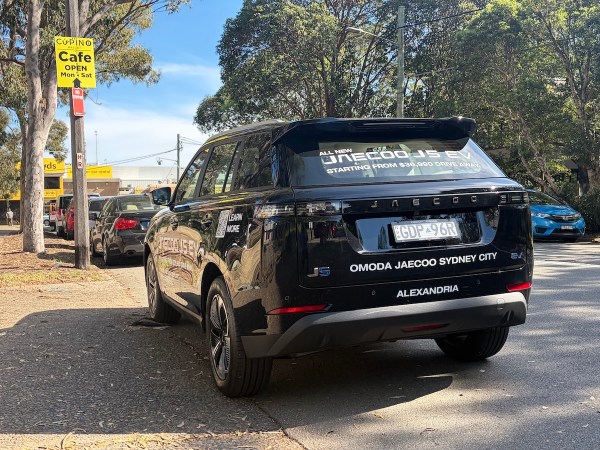
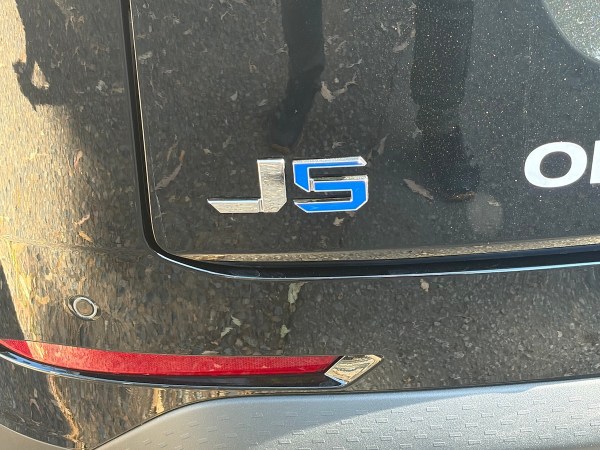
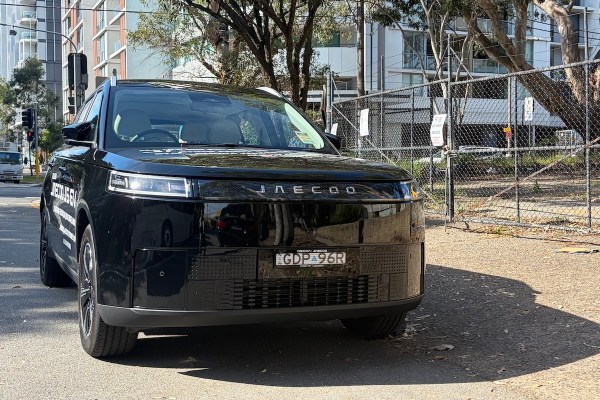
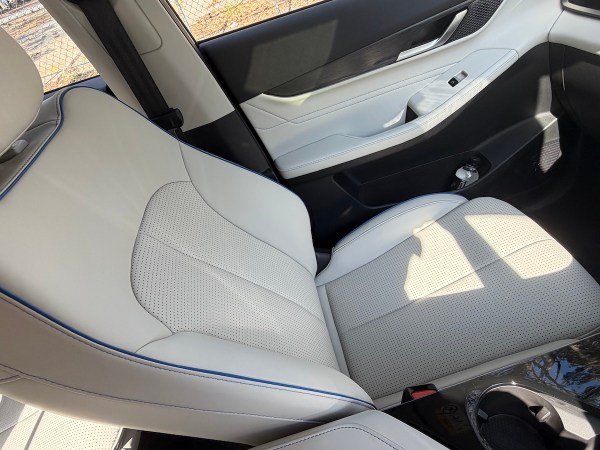
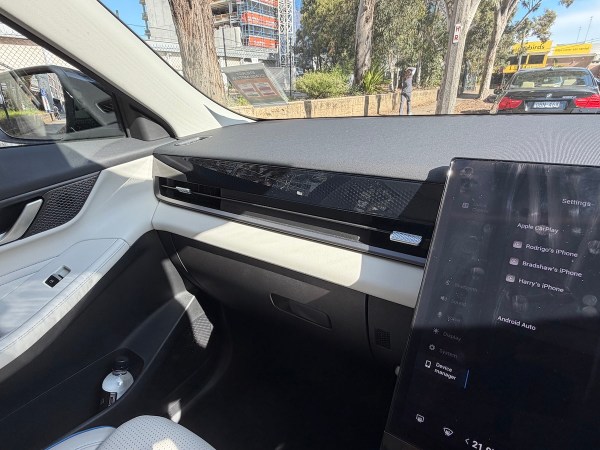
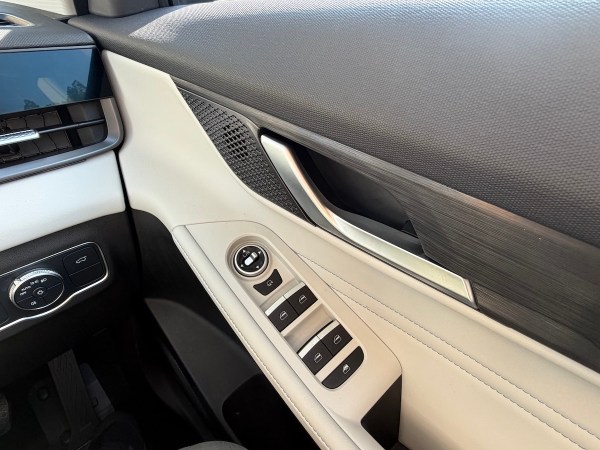
Although less strikingly so than the J7, the Jaecoo J5 also has an air of “baby Temu” Range Rover, with the EV variant sporting a closed grille which makes it rather bland compared to the true grille of the J5 petrol and hybrid. The allure is boxy and sturdy, in line with today’s car design fashion. Inside, the dashboard is far from the low-cost quality we could have expected from its price. Various textures including fabric ensure the feel is a lot more premium than what it charges for. Like the Zeekr 7X we drove last month, there is a dedicated Pet Mode: on top of scratch-resistant materials used in the cockpit, this model keeps the climate control running while displaying a message to the outside world that the owner will be returning shortly.
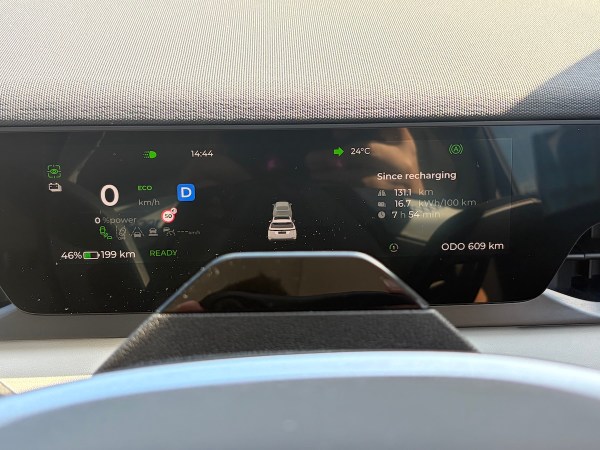
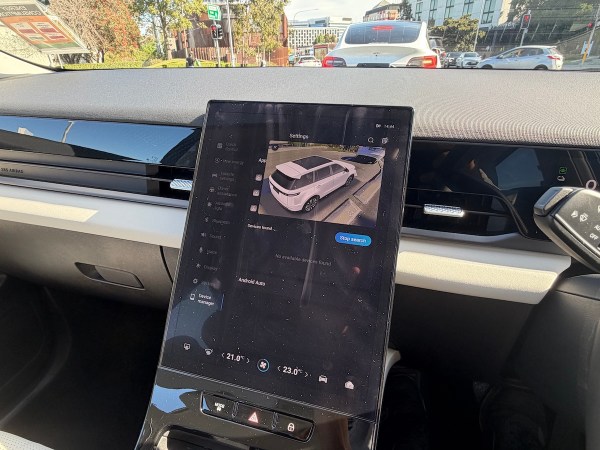
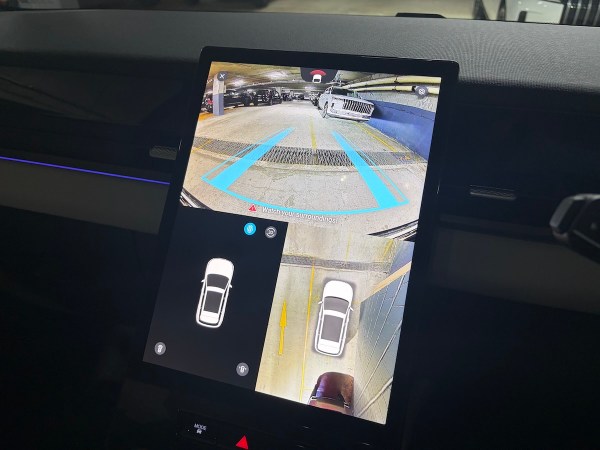
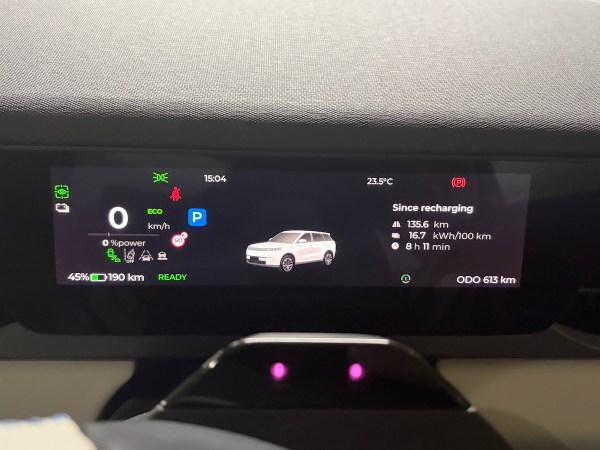
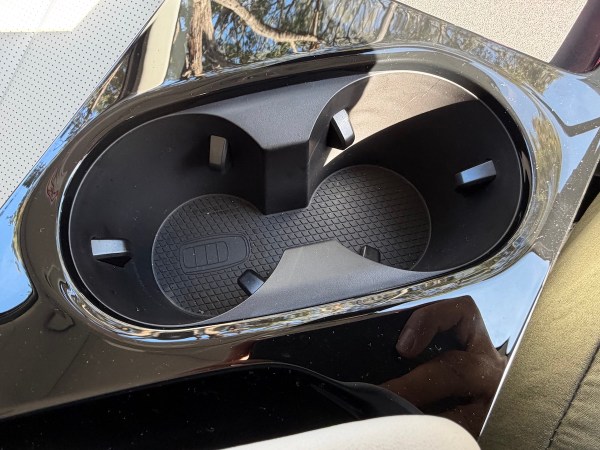
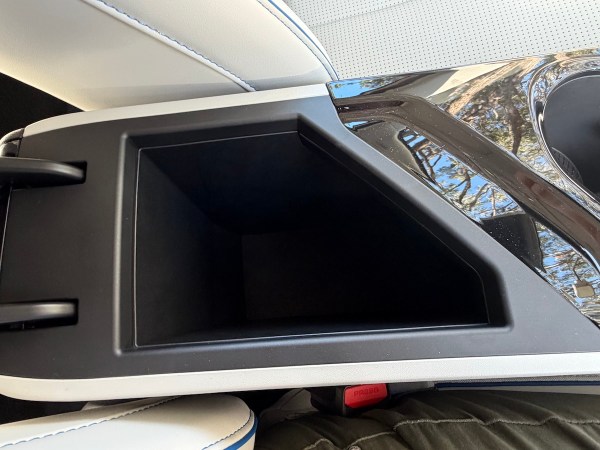
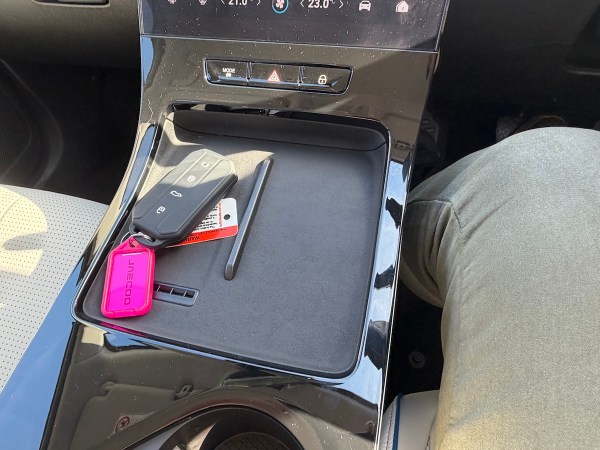
We are welcomed by a large portrait oriented 13.2-inch entertainment touchscreen alongside an 8.88-inch LCV driver display. The central touchscreen looks a bit daunting (and superfluous) to deal with due to its size and the near absence of physical buttons, but kudos to Jaecoo for featuring it at this price. The cockpit offers plenty of storage, with two cup holders and a large box between the front seats and lots of space underneath the centre console. There is also a double wireless phone charger. We also have a panoramic sunroof, something that has become somewhat of a mandatory requirement with Chinese cars.
Start the car and the environment is very smooth and soft, notably the blinker and driver assist noises. No blaring alert for going over the speed limit, for example. Note I couldn’t connect my phone with Apple Car Play on this test drive. The rear visibility is excellent, and the car in general feels comfortable to drive. The acceleration is, as per all BEVs, very strong. It is an even smoother ride than the (much) more expensive Zeekr 7X we drove last month. The suspensions absorb bumps better also. Make no mistake, this is an urban SUV that is not designed to go off-road. The gear stalk is, here too, on the right of the steering wheel. In terms of navigation, there is no way to plan charging stops depending on the battery level, so you will need to use apps on your phone to do it. There is also no one-pedal option.
Jaecoo announces a 402 km WLTP range for the J5 EV. This is very reasonable for the price and more than enough for Australian customers who drive less than 40 km on average each day. Given this is an urban SUV, we are well within what is considered acceptable. According to the salesperson on the day, the small 58.9 kWh LFP battery recharges from 0% to 80% in 28 minutes, but official figures are 30 to 80% in 28 minutes, which is weaker than the BEV average. The electric motor is a 155 kW single permanent-magnet synchronous motor and the J5 is a front-wheel drive.
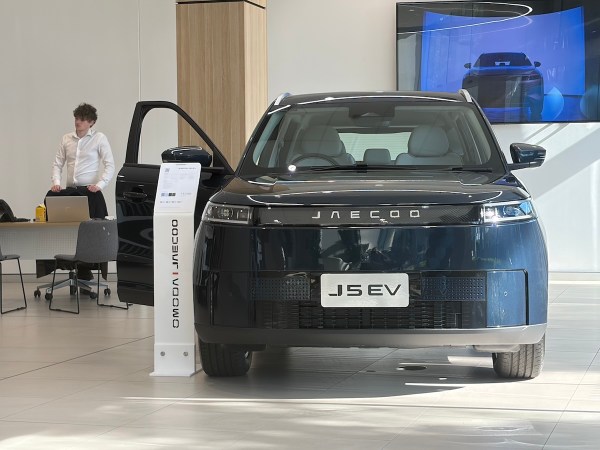
The J5 EV delivers the 0 to 100 km/h in 7.7 seconds. It comes at 4,380 mmm long, 1,860 mm wide and 1,650 mm high with a 2,620 mm wheelbase. It weighs 1,710 kg, heavy, but in line with other compact BEVs. Boot space is generous at 384 L to cargo over and 480 L to roof. A strong sale argument at Jaecoo is the overall warranty and battery warranty of 8 years / unlimited km which is outstanding and designed to inspire confidence with buyers. There is also an 8 years capped-price servicing.
All in all, the J5 EV delivers an impressive equipment-to-price ratio and its ride is better than expected. The interior environment is refined, both in terms of driver assistance alerts and materials, with a massive portrait touch screen, all belying its cutthroat pricing. This is something the Chinese have now got us used to. Competitors at this price are few and far between and all Chinese, such as the Leapmotor B10, BYD Atto 2 and Chery E5.