New-car spec sheets now list cyclist detection next to horsepower and towing figures. Automakers pitch it as a second set of eyes on busy streets. The real question for buyers is how much of that promise holds up at dusk on a crowded city road.
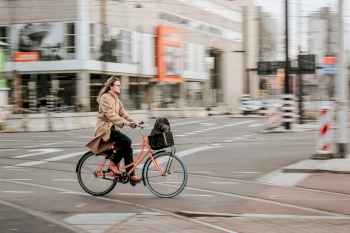
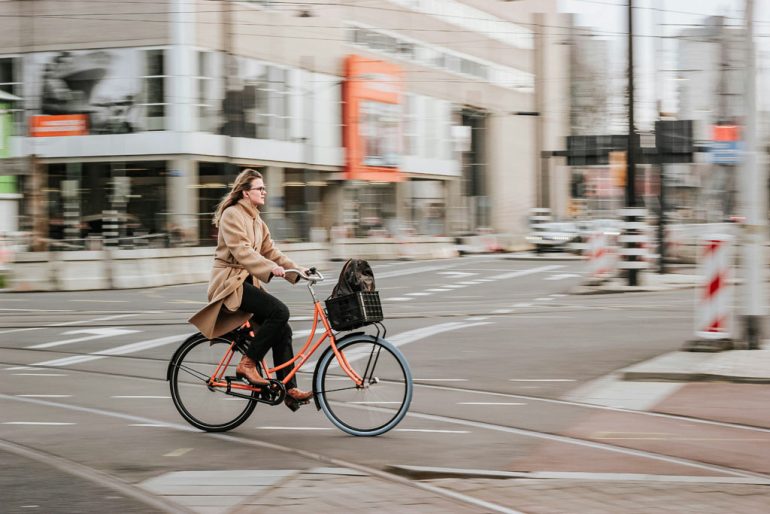
Alt text: woman in brown coat riding on black bicycle on road during daytime
San Antonio makes a good test case. Riders share narrow downtown streets, suburban arterials and fast frontage roads with drivers. When a collision happens anyway, an injured rider may turn to a bicycle crash attorney to sort out fault and insurance. The better outcome is avoiding the crash, and that starts with understanding the tech.
Cyclist detection is a software layer on top of automatic braking. Most systems blend a forward camera with radar. The camera classifies shapes, such as a person on two wheels. The radar measures distance and closing speed.
When the software predicts a collision, it acts in stages:
The final stage is the same logic as forward emergency braking applied to a smaller, faster target. In Europe, Euro NCAP builds cyclist scenarios into its safety ratings. Those tests push automakers to tune their systems for riders, not just cars.
No sensor package is perfect, and riders expose the gaps faster than cars do. A bike is narrow, quick and often partly hidden. Common blind spots for the software include:
Owner manuals usually list these limits in fine print. Read that section before trusting the feature.
Brochures rarely explain how a system behaves in daily traffic. A test drive and a few pointed questions reveal more. Ask the salesperson, or check the window sticker, for these details:
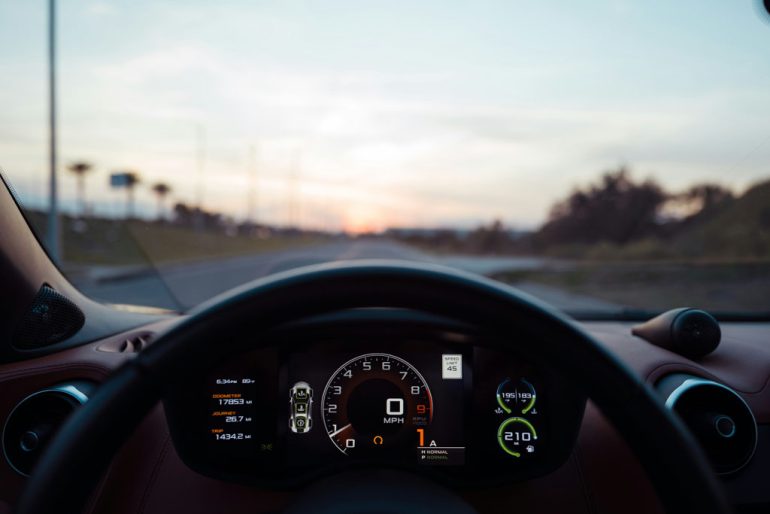
Alt text: black car instrument panel cluster
Spend part of the drive on a street with a painted bike lane. Notice whether the blind-spot light reacts to riders, and how early. Thick roof pillars and a high beltline can hide a cyclist more than any missing feature. A car that is easy to see out of often beats one with a longer feature list.
Texas treats a bicycle as a vehicle. Under Section 551.101 of the Transportation Code, a cyclist has the rights and duties of a driver. That means a rider may use the lane, and drivers must pass with the same care as for any vehicle.
Passing rules depend on where you drive. Texas has no statewide minimum passing distance. Inside San Antonio, a local rule says that when road conditions allow, a driver must pass at least 3 feet away. Texas also has no statewide bicycle helmet law, so many riders have little protection in a fall.
Fault follows the usual Texas pattern. A rider more than half to blame cannot recover damages. Below that line, any award drops by the rider’s share.
Hood height is a quiet factor in many of these crashes, because it changes what a driver can see. A tall pickup or SUV can hide a child on a bike just ahead of the bumper. Research covered in our story on tall trucks and SUVs links blunt front ends with more severe injuries to people outside the vehicle.
Street layout adds to the risk. The Dangerous by Design report from Smart Growth America ranks every state and large metro by pedestrian fatality rates. Wide, fast roads that endanger walkers tend to endanger riders as well.
Tech helps most when the driver already does the basics. These habits cost nothing and catch what cameras miss:
Dooring is a crash in which a rider hits a car door that opens suddenly. Turn on any exit-warning feature your car offers. Some models now alert you before a door opens into an approaching rider.
Stop, call 911 and check on the rider without moving them. Photograph the scene, the bike and your vehicle’s position. Save any dash camera clip before it records over. Exchange details and collect witness names before people leave.
Many newer systems do, but not all. Check the owner’s manual for the word “cyclist” or “bicycle.” Older systems may only detect cars and pedestrians.
There is no statewide distance rule in Texas. San Antonio requires at least 3 feet when road conditions allow. Other cities set their own rules.
A cyclist has the rights and duties of a driver under Texas law. Riders may take the lane in some situations, such as when it is too narrow to share.
Fault depends on the facts, including where the car was parked. A driver who opens a door without looking may carry much of the blame. Texas reduces awards by each party’s share of fault.