


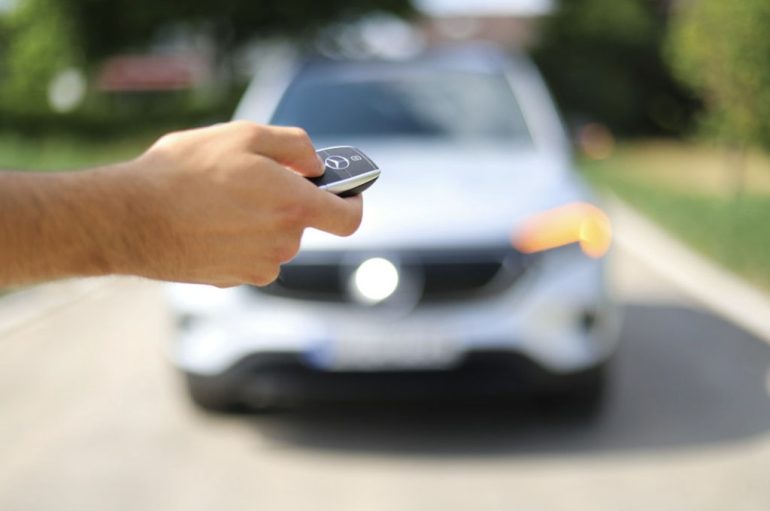
Selling your car does not always cancel your legal obligations. Drivers who owe the state an SR-22 can still be required to keep it, even with no vehicle in the driveway. It surprises a lot of people between cars. The requirement follows the driver, not the vehicle, and forgetting that can be costly.
The solution is a policy built for exactly this situation. A non-owner filing, sometimes described as SR-22 insurance without a vehicle, keeps you compliant while you shop for your next ride. This guide explains what a non-owner SR-22 is, who needs one, and how to set it up.
A non-owner SR-22 pairs two things: liability coverage for when you drive cars you do not own, and the SR-22 certificate the state requires. It proves you are financially responsible even without a registered vehicle. Think of it as coverage that follows the driver, not the car.
The policy typically includes:
Because it carries no collision or vehicle coverage, it is usually cheaper than a standard policy. You can also review your state’s SR-22 financial responsibility certification. The filing exists to prove you carry the liability coverage the law demands, whether or not you own a car.
Not everyone without a car needs this policy, but a specific group does. It comes down to whether the state still expects an SR-22 from you. If it does, going without a vehicle changes nothing about that duty. The safest move is to confirm your status before you assume you are clear.
You likely need one if you:
Letting the filing lapse is the real danger here. A gap can suspend your license and extend how long you owe the certificate. The financial responsibility SR-22 rules in many states make continuous coverage the key requirement.
A non-owner policy is simpler than a full auto policy, which is part of its appeal. It gives you liability protection when you borrow or rent, plus the filing the state wants. It does not cover any specific car you own.

Here is what it does and does not do:
This makes it a clean fit for a driver in transition. Someone shopping carefully for their next car can stay fully legal in the meantime. The policy simply bridges the gap until you own again, and it costs far less than most people expect.
Setting one up is straightforward with the right agency. The process mirrors a standard SR-22, minus the vehicle details. A specialist handles the paperwork so nothing slips. Most drivers are surprised by how quick and painless it turns out to be.
The steps are usually quick:
A driver weighing up their next purchase can lock in a non-owner policy today and switch to a full one once the new car arrives. There is no reason to let the filing lapse while you decide. Getting it right protects your license throughout.
A non-owner SR-22 solves a problem many drivers do not see coming: owing the state a filing with no car to insure. Understand what the policy covers, check whether your situation calls for one, and keep the coverage continuous to protect your license. Set it up with a specialist who knows the filing inside out. That way, whether you end up in a Subaru BRZ tS test drive or a rugged Ford Maverick Lobo AWD, you stay road legal every step of the way.
Yes. The SR-22 requirement attaches to you as a driver, not to a specific vehicle. If the state ordered the filing after a violation, selling your car does not end that obligation. You still have to prove financial responsibility. A non-owner policy is the standard way to satisfy the rule without owning a vehicle.
It provides liability coverage for injury or property damage you cause while driving cars you do not own, such as borrowed or rented vehicles. It also carries the SR-22 certificate the state requires. It does not include collision or physical damage coverage, since there is no owned car to protect. That focus keeps the premium relatively low.
Usually, yes. Because it drops collision and vehicle coverage, a non-owner policy tends to cost less than a standard auto policy. You are only paying for liability and the filing itself. The exact price still depends on your record and state. A specialist agency can quote your specific situation quickly.
As soon as you buy and register a vehicle, you generally move to a standard policy that covers that car. Your SR-22 filing can carry over onto the new policy. The key is avoiding any lapse during the switch. Coordinating the change with your agency keeps your filing continuous and your license safe.