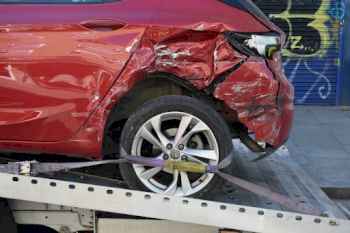
 A hit-and-run crash leaves you with medical bills, a damaged car, and no one to blame by name for any of it. The driver who caused the crash may be gone before you can write down a license plate or get a clear look at the vehicle. Many people in Decatur assume this means the whole bill lands on them alone, but Georgia law can provide other potential paths to recovery. Knowing those options early can make an important difference in protecting a claim.
Georgia law requires a driver involved in an accident resulting in injury, death, or damage to an attended vehicle to stop at the scene or return to it. The driver must provide identifying and vehicle information and, when necessary, render reasonable assistance to anyone who is injured. These requirements apply regardless of whether the driver believes someone else caused the crash.
Many victims only begin to understand how these rules affect their particular situation after speaking with a car accident lawyer in Decatur, since questions involving insurance coverage, an unidentified driver, and available evidence can become complicated after the other motorist leaves the scene.
Under Georgia Code § 40-6-270, a driver covered by the statute must stop and remain at the scene until the required duties have been fulfilled. Leaving the scene can also result in criminal consequences separate from a victim’s potential civil or insurance claim.
Not knowing who hit you does not automatically mean there is no potential source of recovery. Georgia’s uninsured motorist statute addresses situations in which the owner or operator of the vehicle is unknown. Depending on the policy and circumstances, uninsured motorist coverage may therefore become important after a hit-and-run.
Under Georgia Code § 33-7-11, an unknown owner or operator can be treated as uninsured for purposes of UM coverage. For a claim involving an unknown driver, Georgia law generally requires actual physical contact between the unknown vehicle and the insured person or property. When there was no physical contact, the claimant’s description of how the crash occurred must instead be corroborated by an eyewitness other than the claimant.
Because evidence plays such an important role in these claims, it helps to understand what evidence is most important in a car accident injury claim and to preserve as much information as possible immediately after the collision.
A hit-and-run claim involving an unidentified driver may receive additional scrutiny because the insurer has to determine whether the accident and claim satisfy the policy terms and applicable Georgia requirements. Questions can arise about whether another vehicle was actually involved, whether physical contact occurred, whether a witness can corroborate a no-contact crash, and whether the visible vehicle damage is consistent with the reported collision.
Those issues make early evidence gathering especially important. In a no-contact crash involving an unknown driver, for example, Georgia’s uninsured motorist statute makes eyewitness corroboration particularly significant. Gauge Magazine has also looked more broadly at how investigations work in hit-and-run cases and why information collected shortly after a collision can matter later.
What you do in the first hours after a hit-and-run can affect the evidence available weeks or months later. Memories fade, witnesses leave, surveillance footage may be overwritten, and details about the fleeing vehicle can become harder to recall. Taking a few practical steps immediately after the crash can help preserve important information.
Georgia Code § 40-6-273 requires the driver of a vehicle involved in an accident resulting in injury or death, or apparent property damage of $500 or more, to immediately report the accident to the appropriate law-enforcement agency. If the accident occurs within a municipality, notice is made to the local police department; outside a municipality, the statute directs notice to the county sheriff or nearest state patrol office.
Prompt reporting can be particularly important in an unidentified-driver claim. Georgia Code § 33-7-11 also ties recovery involving an unknown owner or operator to reporting the accident as required by § 40-6-273.
For personal injury actions, Georgia Code § 9-3-33 generally provides a two-year limitations period. That does not mean waiting until the deadline is a good idea. Evidence can disappear well before a filing deadline arrives, and particular claims may involve additional requirements or circumstances that affect the applicable deadline.
A hit-and-run crash in Decatur does not necessarily have to end with an empty file simply because the responsible driver disappeared. Available uninsured motorist coverage, a timely police report, photographs, witness information, medical documentation, and other evidence may all become important when determining what recovery is available.
The strongest evidence is often easiest to obtain immediately after the collision. Documenting what happened, reporting the crash when required, seeking appropriate medical care, and preserving information about the fleeing vehicle can put a victim in a much better position when the insurance claim is reviewed later.
The post Hit-and-Run in Decatur: What Victims Can Still Recover appeared first on Gauge Magazine.