 Electric vehicles are becoming an increasingly familiar sight on American roads, and it’s easy to see why. With impressive acceleration, modern technology, and the potential for lower running costs, there’s plenty to get excited about. However, switching from a traditional gas-powered car to an electric vehicle is a big decision. While the technology has come a long way, EV ownership isn’t necessarily the right choice for everyone.
So, is an electric vehicle really worth the investment? Let’s look at what you should consider before making the switch.
One of the biggest concerns for potential EV buyers is the upfront cost. Electric vehicles can be more expensive than comparable gas-powered models, particularly when you’re looking at vehicles with larger batteries or premium features. That said, prices vary considerably between manufacturers and models, and it’s worth comparing the equipment you get for your money.
If you’re exploring Ford electric vehicles in Los Angeles, you’ll find options such as the Mustang Mach-E, which combines electric performance with everyday practicality. Comparing available models, financing options and dealership offers can help you decide whether an EV fits your budget.
As you start looking, delve beyond the advertised purchase price. Compare interest rates, loan terms and any additional fees before committing to a financing agreement. A lower monthly payment might seem attractive, but extending the repayment period could mean paying considerably more overall.
Here’s where electric vehicles start to get interesting. Although you might spend more initially, ongoing running costs can be lower. Electricity can cost less than gasoline per mile in many situations, particularly if you’re able to charge at home during lower-rate periods.
EVs also have fewer moving parts than traditional combustion-engine vehicles. There’s no engine oil to change, and regenerative braking can help reduce wear on conventional brakes. Of course, tires, battery cooling systems and other components still need attention, so maintenance isn’t completely eliminated.
For enthusiasts comparing EV ownership with traditional performance vehicles, it’s worth looking beyond fuel costs alone. Gauge Magazine has also explored how electric vehicles are changing the performance-car experience.
To get a clearer picture of how much you could save, consider these additional ownership costs:
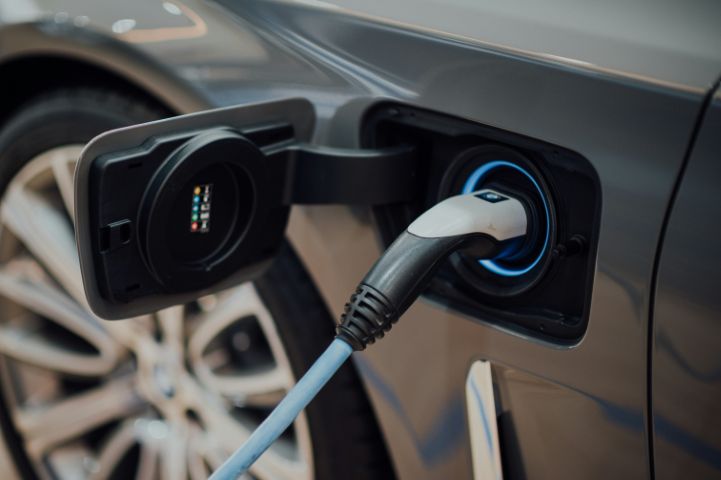
Charging is probably one of the biggest lifestyle adjustments when switching to electric. If you have a driveway or garage where you can install home charging equipment, ownership can be surprisingly convenient. Plugging in at home can allow you to begin the next day with a charged battery.
Things can be trickier if you rely entirely on public charging stations. Charging availability, speed and pricing vary, so it’s worth researching the infrastructure around your home, workplace and regular routes. For longer journeys, you’ll also need to factor charging stops into your travel plans.
If you’re planning to install home charging equipment, try to get an installation quote before purchasing your vehicle. Depending on your property’s electrical setup, you might need panel upgrades or additional wiring, and those expenses should be included in your initial budget.
Charging connectors and network compatibility are another consideration. Understanding which charging equipment your vehicle supports can help prevent inconvenience when traveling outside your usual area. The U.S. Department of Energy provides additional information about electric-vehicle charging infrastructure and the different charging options available to EV owners.
If you enjoy driving, don’t assume going electric means sacrificing performance. Electric motors can deliver torque almost instantly, giving many EVs quick acceleration and smooth power delivery. There’s also no traditional gear shifting in most electric vehicles, which can make everyday driving feel particularly effortless.
For automotive enthusiasts, the combination of responsive performance, quiet operation and modern technology offers a different kind of driving experience. It might not replace the sound of a powerful V8, but electric performance certainly has its own appeal.
Before deciding, arrange a test drive that includes both city streets and highways. During the drive, pay attention to visibility, ride comfort, braking response and how the vehicle handles at different speeds. Experiencing these characteristics firsthand can reveal whether a particular model suits your driving preferences.
Electric power is also becoming part of the broader custom and enthusiast scene. As EV platforms become more common, builders are finding new ways to combine technology, performance and personalization, much as enthusiasts have done with gasoline-powered vehicles for decades.
Battery longevity is another important consideration. Modern EV batteries are designed for years of use, although their usable capacity can gradually decrease over time. Before buying, check the manufacturer’s battery warranty and research the expected range under real-world driving conditions.
Resale values can also fluctuate as technology improves and new models become available. If you’re considering a used EV, checking battery condition and remaining warranty coverage is especially important.
Remember that advertised driving ranges are estimates rather than guarantees. Highway speeds, steep terrain, heavy loads and extreme temperatures can all influence how far you travel between charges. Cold weather can be particularly demanding because energy may be needed to warm both the cabin and battery. If you regularly drive in areas with harsh winters, choosing a vehicle with a comfortable range buffer can make ownership easier.
An electric vehicle can be a worthwhile investment, particularly if you drive regularly, have convenient access to charging and plan to keep your car for several years. However, your budget, driving habits, local charging options, insurance costs and typical travel distances should all influence your decision.
EV ownership isn’t automatically cheaper or better for every driver. The key is comparing the complete ownership experience rather than focusing only on the purchase price or advertised range. Consider all of these factors, take a few models for a test drive and calculate what charging would realistically look like for your daily routine. That should give you a much clearer idea of whether making the switch makes sense for you.
The post Is an Electric Vehicle Worth the Investment? appeared first on Gauge Magazine.