Irvine looks like an easy place to drive. The boulevards are wide, the signals are timed, and the toll roads empty out early on a Sunday. That is why so many built cars and trucks pass through on the way to the canyons and the coast.
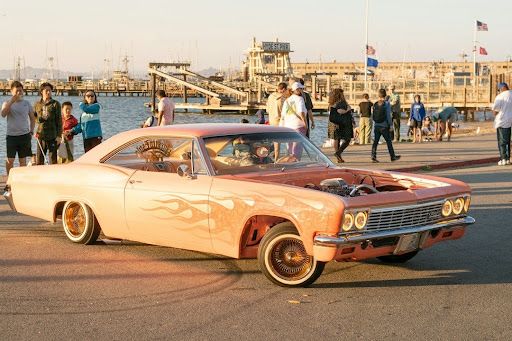
Easy roads still produce crashes, and a modified vehicle can make the aftermath more complicated. Dam Firm handles injury claims for drivers hurt on Irvine streets and across Orange County, from daily commuters to weekend builders. What follows is general information for owners, not legal advice about any one crash.
A stock sedan has a book value and a parts catalog. A build can be harder to value. The lift kit, wheels, paint, tune and other modifications may be documented through receipts, build sheets, photos and other records.
That documentation can matter when an insurer evaluates a modified vehicle. Injury and property-damage claims can also involve different issues and deadlines, so owners should keep records relating to both the vehicle and the crash.
The physical side gets missed too. Some injuries may not be obvious immediately after a collision. Gauge Magazine has covered what drivers should know about delayed injury symptoms after an accident and why changes in how you feel after a crash should not simply be ignored.
The California Office of Traffic Safety ranks cities against other cities of similar size. Its 2023 figures for Irvine provide useful context:
Irvine compares well against many of its peers, but crashes still happen. Owners who want more detailed California collision information can explore the Transportation Injury Mapping System operated by UC Berkeley.
If a crash involves an injury, stop, exchange the required information and call for emergency assistance when necessary. Once immediate safety concerns are addressed, your phone can become a useful documentation tool.
Photograph the scene and visible damage when it is safe to do so. For a modified vehicle, document aftermarket components from several angles, including wheels, suspension, lighting and bodywork. Get the other driver’s license, plate and insurance information, and collect contact information from witnesses when possible.
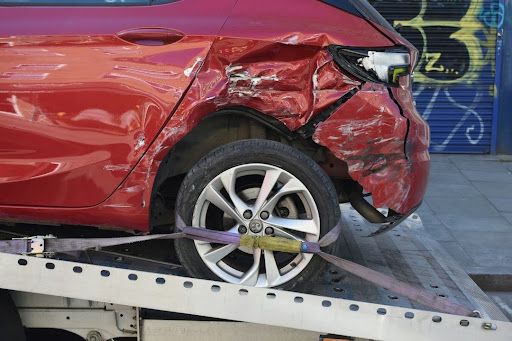
Document the vehicle thoroughly before repairs begin. Collision damage is not always limited to what can be seen from the outside. Gauge Magazine’s guide to hidden collision damage after a minor accident explains how impact forces can affect components behind bumpers, body panels, wheels and other visible areas.
If you are hurt or develop symptoms, consider seeking appropriate medical attention rather than assuming the symptoms will disappear. If the California Highway Patrol handled the collision, an involved party can request the collision report using the CHP’s report-request process.
California uses an at-fault system, but responsibility for a collision is not necessarily all-or-nothing. Fault can be shared under California’s comparative-negligence rules, which can reduce a person’s recovery according to their percentage of responsibility.
Rear impacts can also involve more than a simple assumption about the vehicle in back. Gauge Magazine has covered rear-end collision liability in California, including circumstances in which responsibility may involve more than one driver or party.
Insurance coverage can also affect what compensation is available. For standard California auto policies, the state’s minimum liability limits increased beginning January 1, 2025:
California has several different reporting and legal deadlines following a collision. Which deadline applies depends on the circumstances, so drivers should not assume that one deadline controls every type of claim.
| Step | General Deadline | Source |
|---|---|---|
| Report qualifying accident to DMV (SR-1) | Within 10 days when someone is injured or killed, or property damage exceeds $1,000 | California Vehicle Code Section 16000 |
| Claim involving certain public entities | Generally 6 months for claims involving injury or personal property | California Government Code Section 911.2 |
| Personal injury lawsuit | Generally 2 years | California Code of Civil Procedure Section 335.1 |
| Property damage lawsuit | Generally 3 years | California Code of Civil Procedure Section 338 |
Government claims have special procedures and exceptions, so a collision involving a public vehicle, roadway condition, signal or other government-related issue should not be treated exactly like an ordinary claim against another driver.
Much of the useful preparation can happen before anything goes wrong. Owners of modified cars and trucks can make documentation easier by taking a few practical steps:
Preparation cannot prevent every collision, but good records can make it easier to explain what was installed on a vehicle, document its condition before and after a crash, and work through the insurance or repair process afterward.
California requires an SR-1 report within 10 days when someone is injured or killed, or when property damage exceeds $1,000. The SR-1 is required in addition to reports made to police, CHP or an insurance company.
That depends on the applicable policy, coverage limits and any endorsements for custom equipment. Receipts, build records and dated photographs can help document the modifications and their value.
California generally provides two years for a personal-injury lawsuit and three years for a property-damage lawsuit, but different rules and shorter deadlines can apply in some situations, particularly claims involving public entities. Specific legal advice should come from a qualified attorney familiar with the circumstances.
California follows pure comparative negligence. A person’s recovery can generally be reduced according to their percentage of responsibility for the collision rather than automatically being eliminated because they shared some fault.
The post Crashed In Your Build Near Irvine? What Comes Next appeared first on Gauge Magazine.