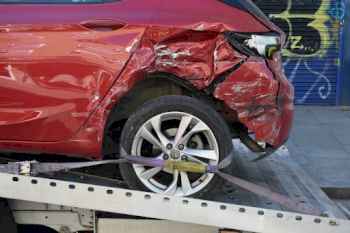
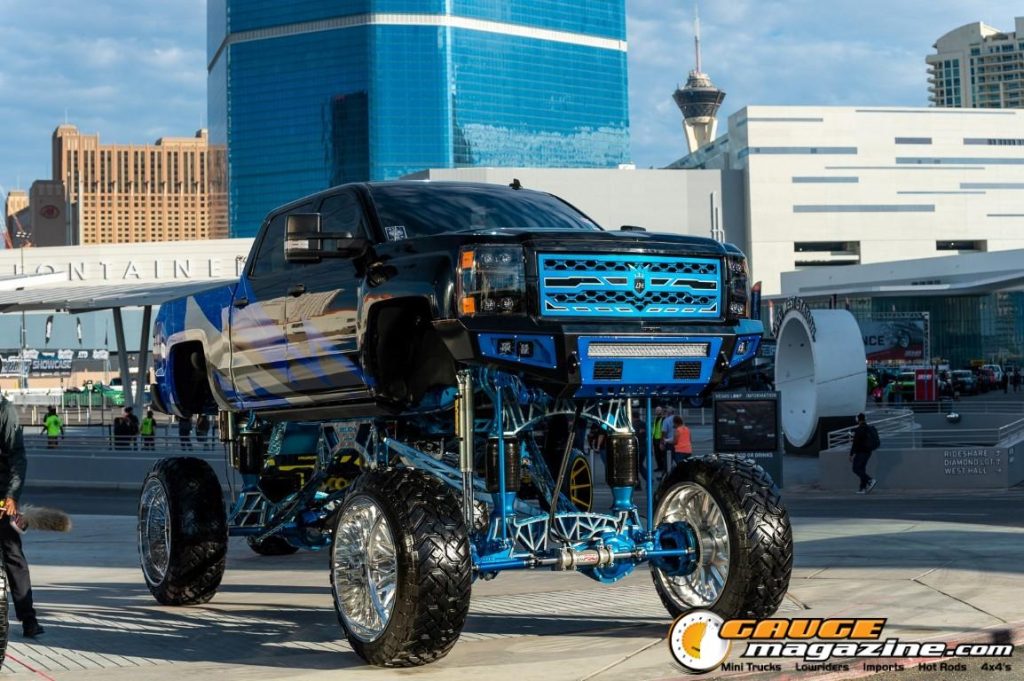
 Anyone who has put real money and real weekends into a build knows the feeling of pulling into a show and watching heads turn. What fewer owners think about is the other audience a modified vehicle can attract after a crash: the insurance adjuster and the defense lawyer. To them, a lifted truck, a bagged C10 or a tuned sport compact can become a list of questions about whether the modifications had anything to do with what happened.
This is not an argument against modifying vehicles. It is a look at how modifications can become part of a claim, what the law actually says in a strict inspection state like Pennsylvania, and what owners can do during the build to help document that their vehicle was properly built and maintained.
Insurance claims often involve questions about fault, and in many states fault can be divided by percentage. Pennsylvania uses a modified comparative negligence rule under 42 Pa.C.S. § 7102. Under that rule, a plaintiff’s negligence does not bar recovery as long as it is not greater than the causal negligence of the defendant or defendants from whom recovery is sought. Any damages awarded are reduced in proportion to the plaintiff’s share of negligence.
That can make vehicle condition and modifications relevant when there is a genuine question about whether they contributed to a crash. A lifted truck might raise questions about bumper height. A significantly lowered car might lead to questions about suspension travel or ground clearance. Engine tuning, aftermarket wheels, tires, brakes or suspension components can also receive scrutiny depending on the circumstances.
That does not mean a modification automatically makes an owner responsible for a crash. Whether a modification matters depends on the facts, including what was changed and whether that change actually contributed to the collision or resulting damage.
Pennsylvania is one of the states with detailed inspection requirements for vehicle equipment, and many of those rules are found in Chapter 175 of the Pennsylvania vehicle equipment and inspection regulations.
For example, under 67 Pa. Code § 175.78, some part of the main horizontal bumper bar on multipurpose passenger vehicles and light trucks must fall between 16 and 30 inches above ground level. Replacement bumpers are also subject to requirements involving their strength and attachment to the chassis or frame.
The inspection rules cover much more than bumpers. Section 175.80 addresses suspension and chassis conditions that can result in rejection during inspection, while other portions of Chapter 175 cover fenders, tires, lighting, glazing and exhaust equipment.
That matters to anyone building a lifted, lowered or otherwise heavily modified vehicle. Gauge Magazine has featured everything from heavily lifted custom trucks to lowered street trucks, and suspension changes are often central to the entire build.
A current inspection does not automatically decide whether a modification played a role in a particular crash, but documentation showing that the vehicle complied with applicable inspection requirements can be useful if its condition is later questioned.
The practical move is simple: know the requirements that apply to your vehicle, measure the vehicle after suspension work is completed, and retain the paperwork associated with the build. If a professional shop performed the work, keep the invoice identifying the parts and installation.
Every serious builder already photographs the project. What matters after a crash is having that record organized and dated.
Receipts for brake upgrades, alignment printouts after suspension work, dyno sheets, tire specifications, installation instructions and shop invoices can all help document how the vehicle was built and maintained. Keeping that material together in one physical or digital folder makes it much easier to produce if questions arise later.
Photographs of the completed vehicle at its normal ride height can also document its configuration. For major suspension changes, photographs showing measurements may provide a useful record of how the vehicle sat after the work was completed.
This is especially relevant with custom suspension work. A build such as Gauge Magazine’s featured 1970 Chevrolet C10 owned by Matt Jones, for example, includes a modified stock frame, Porterbuilt front crossmember and four-link rear suspension—the type of extensive chassis work where keeping good build records makes sense for reasons well beyond showing the truck.
Not every modified-vehicle crash involves another driver’s actions. Suspension components, wheel adapters, steering parts and brake components can fail, and when a defective component contributes to a crash, questions may arise about the manufacturer, seller, installation or subsequent modifications.
Preserving evidence can become particularly important in those situations. A failed component may need to be examined before the vehicle is repaired or scrapped, while purchase records can establish what was bought, when it was purchased and where it came from.
Owners who fabricate or alter structural components can face additional questions. When a component has been cut, welded or otherwise changed from its original design, determining why it failed may require examining both the original component and the subsequent modification. The answer depends on the specific facts and applicable law.
The basic steps after a crash are similar whether a vehicle is stock or modified, but documentation can become especially important when a custom vehicle is likely to receive additional scrutiny.
When it is safe to do so, documenting the vehicles, license plates, road conditions and scene can preserve information that may disappear once the vehicles are moved. Police reports, repair records and other documentation may also become important later.
The following is general information rather than legal advice for any individual situation. Depending on the circumstances, someone involved in a collision may also need medical attention and legal guidance. Statements to insurers and public posts about a crash can potentially become relevant to a later claim, so individual circumstances matter.
Getting advice early can also matter because evidence becomes harder to recover with time. The car accident attorneys at Leeson & Leeson handle Pennsylvania accident claims and can evaluate the specific circumstances of a case.
Pennsylvania law generally provides a two-year limitations period for actions seeking damages for personal injuries caused by another person’s wrongful act or negligence under 42 Pa.C.S. § 5524. Exceptions and other requirements can apply depending on the circumstances, so the deadline for a particular case should be confirmed by a qualified attorney.
None of this means a build has to be boring. It means the engineering should match the aesthetics, the paperwork should match the engineering, and the owner should be able to document how the vehicle was built and maintained.
Modified vehicles are part of what makes automotive culture interesting. Lifted trucks, body-dropped pickups, air-ride builds and tuned performance cars can all be properly engineered while still pushing far beyond what rolled off the assembly line.
The difference is preparation. Knowing the applicable rules, using appropriate components, having the work performed correctly and keeping records gives an owner something concrete to point to if the vehicle’s modifications are ever questioned after a crash.
Considering how much time and money can go into a serious build, maintaining that documentation may be one of the least expensive parts of the project.
This article provides general information only and is not legal advice.
The post Lifted, Lowered, Tuned: How a Modified Build Changes the Fault Argument After a Crash appeared first on Gauge Magazine.